



Paludiculture Newsletter 1|2026
Paludi Highlight
Paludiculture – who, what, where?

See how paludiculture projects have developed in Germany over the past 25 years! A new GMC publication systematically documents and evaluates 146 projects.
27/03/2026 The new GMC paper ‘The Development of the Paludiculture Project Landscape – An Overview and Analysis in Germany’ (German only) shows: Of the total of 146 projects examined from the past 25 years, the first initiatives began as early as the 1990s – even before the term ‘paludiculture’ was coined in 1998. However, more than 75% of all projects have been implemented within the last ten years, which underlines the growing importance of the topic.
Most projects are located in the federal states with extensive peatlands. Mecklenburg-Western Pomerania (44 projects) and Lower Saxony (41 projects) top the list. The range of topics is broad: particularly between 1995 and 2010, the focus was on crop production and utilisation. Socio economic aspects were mostly examined as a secondary consideration, whilst issues relating to planning and approval have so far been under-represented. Many projects concentrate on specific land-use and utilisation options – such as Sphagnum moss and cattails for substrate production, or cattails and reeds as building materials. At the same time, there are numerous projects dealing with a wide range of potential uses.
Many projects focus on specific land-use and utilization options — such as sphagnum moss and cattails for substrate production, or cattails and reeds as building materials. At the same time, there are numerous projects that explore a wide range of potential uses.
In addition to the publication in the GMC series, the complete list of 146 projects is available for download as an open Excel file for further work. Interested parties can also contact the authors with suggestions for further projects.
The Paludiculture Interview
Towering insights for paludiculture
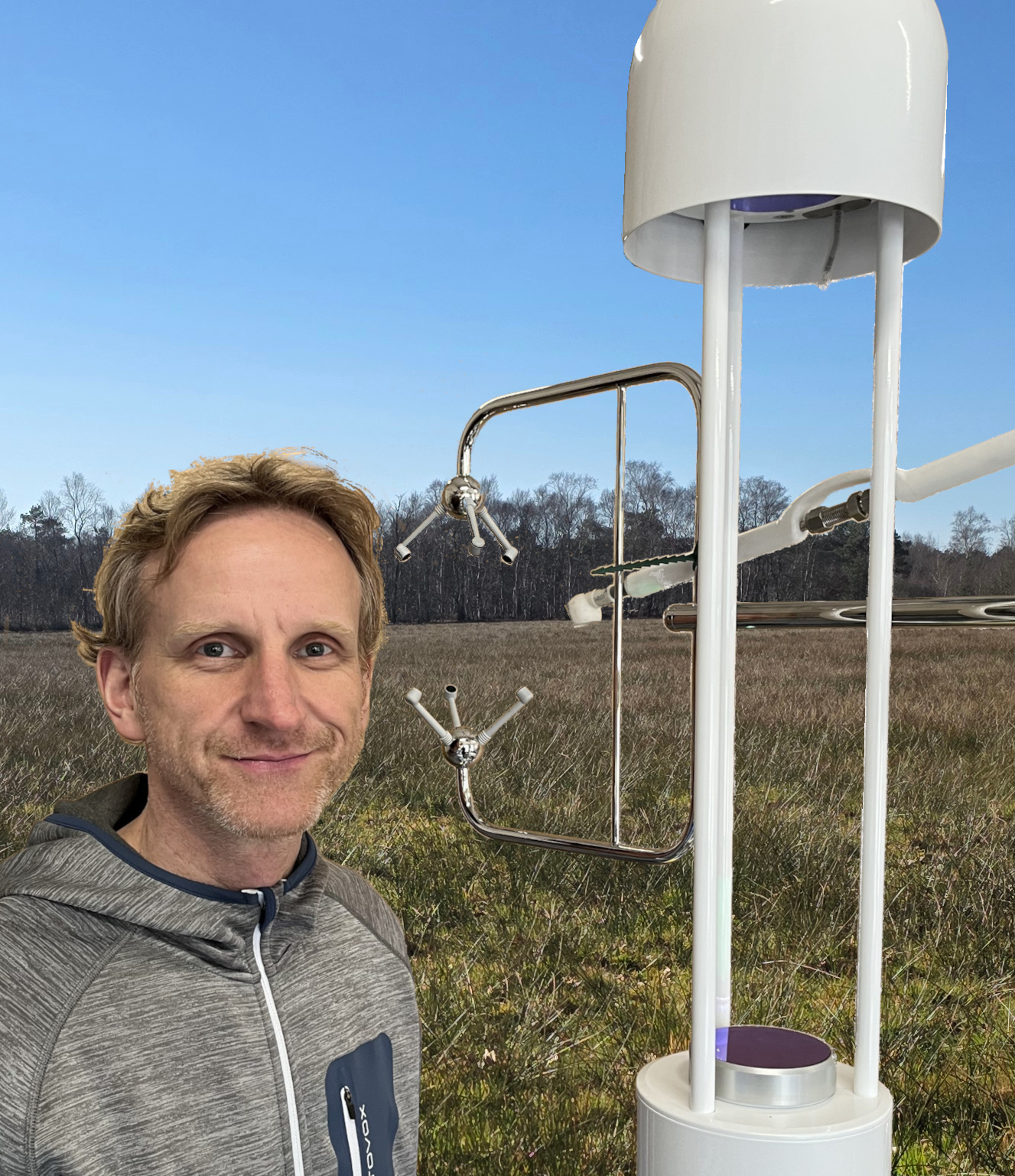
Christian Brümmer keeps track of which greenhouse gases are emitted by terrestrial ecosystems across Germany and feeds this data into the European monitoring network ICOS. Now, the number of monitoring stations in the country is set to more than double almost overnight—primarily through the installation of eddy covariance towers on paludiculture sites. Christian explains why.
Christian, what is ICOS?
ICOS stands for Integrated Carbon Observation System (https://www.icos-cp.eu/). It is a European network and research infrastructure that uses standardized technology to measure greenhouse gases. A total of 16 countries participate and provide their data. At the Thünen Institute of Climate-Smart Agriculture in Braunschweig, I coordinate Germany’s contribution to ICOS and, in this context, lead the micrometeorological monitoring of greenhouse gases and air pollutants. We observe greenhouse gas fluxes between cropland, grassland, forests, and peatlands and the atmosphere.
Why all these complex and laborious measurements, anyway?
Everyone is always talking about greenhouse gas emissions and CO2 reductions. To achieve this, we need to know where these climate-damaging gases come from, at what magnitudes they are produced, and what we can do to reduce them. For example, managing ecosystems in such a way that they become sinks—absorbing more CO2 than they emit. Forests are well-suited for this, but also wet peatlands. Due to large-scale drainage in the past, the organic soils in those areas are now relatively dry and have unfortunately become major sources of CO2.
Measurements are taken using so-called eddy covariance towers—how many of these have been installed so far as part of ICOS?
Twenty-two so far. Most are located in forests and on grasslands. There are many more that are not part of ICOS.
Now the number is nearly doubling—why specifically on paludiculture sites?
Nearly 30 measurement towers are now being installed at peatland sites, which is truly spectacular. They are located on paludiculture and reference plots, i.e., on drained agricultural peat soils. They will be in operation for the next eight years. This will yield a globally unique dataset. Until now, these measurements have only been conducted in smaller projects over shorter periods.
Why are GHG measurements so important here in particular?
This is important because we don’t want to lose land that is already in use, but we must find sustainable and climate-friendly ways to utilize it. Paludiculture offers a solution here, whether through the cultivation of cattails, reeds, and peat mosses or as wet meadows. Their climate-protective effects now need to be systematically recorded and documented. We are ensuring this through a work package of the joint research project PaludiZentrale, in which nine research and implementation projects on paludiculture contribute greenhouse gas data. Biodiversity, hydrology, socioeconomics, utilization, and other agricultural aspects are also considered within this framework.
How does such a setup work, and what exactly is measured?
In short: The eddy covariance towers in the field primarily consist of an anemometer and greenhouse gas analyzers. They measure local turbulence—that is, the three-dimensional wind field—as well as greenhouse gas concentrations. From this, we can determine, for example, the uptake of CO2 from the atmosphere or the release (emission) from the ecosystem into the atmosphere. This is quite complicated. Ultimately, we’re counting molecules that are swirled in both directions. The measurements represent a specific area of the field where the tower is located. We call this the footprint. It depends on wind speed and wind direction. For the local greenhouse gas or carbon balance, additional information such as crop yield is important. We also consider water levels, precipitation, temperature, and radiation. All these factors influence greenhouse gas exchange.
A system like this requires electricity, which is always a challenge. If there is power access nearby, we place cables underground. If not, photovoltaic modules must be installed. Once the system is up and running, we can access the measurements from the office. However, on-site maintenance is performed approximately every two weeks to, for example, remove cobwebs and clean the lenses.
Why is it important to understand how harvesting affects land?
In peatlands, the goal is to sequester carbon as peat. In fens, this is primarily formed from underground biomass. However, on agriculturally used land—including paludiculture—above-ground biomass is removed by harvest. This initially represents a loss of carbon for the area, which we must factor into the balance. If it is permanently sequestered in a subsequent application for the next 10–20 years, such as in an insulation board, then that’s great too. Because—where, or rather, how do we want the carbon to be? Definitely sequestered, but not released into the atmosphere! Because there, it contributes to further global warming.
How exactly is the measurement data used?
Germany is required to report emissions from all sectors—including transportation, industry, and land use—in a national greenhouse gas inventory. This allows us to assess whether Germany has met the targets of the Climate Action Act or whether further measures are necessary. Data is available for this purpose, and for each sector there are factors that can be used to scale emissions for the entire country. However, these emission factors do not yet exist for paludiculture. Developing such factors is our goal—ideally differentiated by type of paludiculture. And in the best-case scenario, these factors will demonstrate the climate-beneficial impact of paludiculture, as emissions are significantly reduced compared to conventional peatland use.
That sounds a bit tedious—is this work actually fun?
It’s totally fun, and I’ve been doing nothing else for 15 years! It combines technology, ecology, and complex data analysis. Part of the time, I’m out in nature with colleagues using highly advanced measurement technology. This gives us a wealth of information about how human actions—specifically through land use—directly impact our climate.
When will we be able to draw first conclusions about the paludiculture sites?
The balancing is done on an annual basis, primarily for CO2 and methane, and for reference sites, nitrous oxide as well. We will soon have the first complete annual data sets from the new eddy towers in our database. Then we may already be able to see which type of paludiculture has the highest impact on the climate.
The interview was conducted by Nina Körner.
News from Paludiculture Projects
Pathways to peatland climate protection beyond 2045
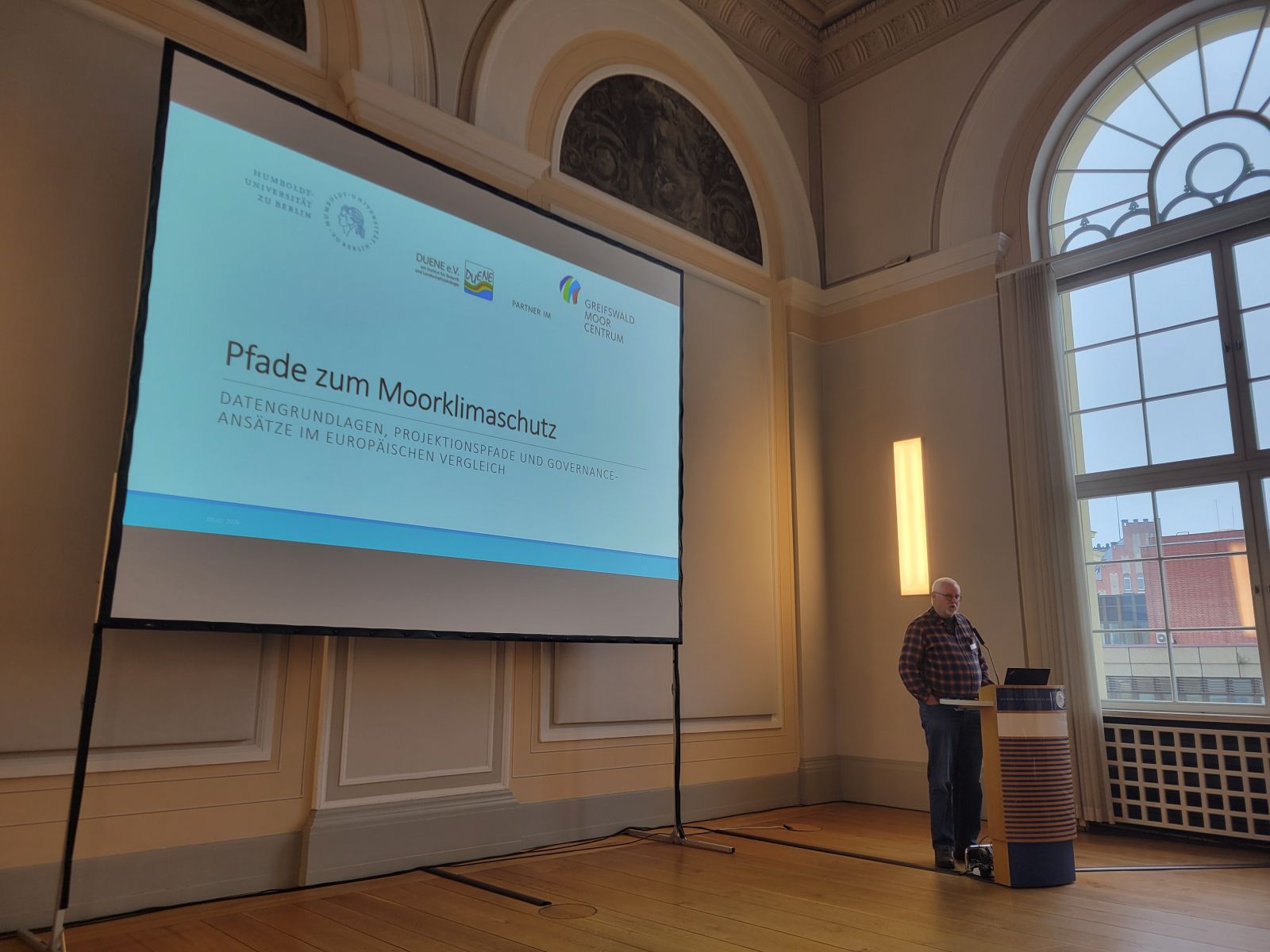
How can peatland climate protection be shaped up to the 2045 climate neutrality target year and beyond? A workshop as part of the UBA project ‘New Impetus for Climate Protection through Peatland Conservation’ discussed pathways for long-term rewetting and paludiculture.
The project “New Impetus for Climate Protection through Peatland Conservation” examines data sets for quantifying the climate impact of peatlands, analyses policy strategies and instruments in a European comparison, and develops pathways for peatland climate protection and wetland utilisation up to and beyond 2045 in Germany.
These key areas were addressed in a workshop, where central governance, financing and transformation issues were explored in depth. The aim was to discuss project findings with stakeholders from academia, public administration, politics, associations and practice, and to further develop them in a practical manner.
The focus was on the question of how policy objectives, institutional structures, funding and market mechanisms must interact in order to significantly advance rewetting and wetland utilisation in Germany. Four points emerged as particularly clear, which are crucial for long-term success:
Climate protection in peatlands requires a binding commitment. Ambitious targets provide planning certainty and political legitimacy. However, they will only be effective if they are underpinned by concrete measures and a reliable legal framework. The key lies in the interaction between national targets and regional stakeholders who develop appropriate implementation strategies.
Implementation requires robust structures and simpler procedures. Discussions focused on regional coordination bodies and special-purpose associations, for example at the level of catchment areas, to better plan and manage large-scale rewetting. At the same time, approval processes must be simplified and responsibilities more clearly defined.
Without viable financing, the transformation will not succeed. In addition to public funding instruments, the discussion also covered private financing, for example via carbon markets and blended finance models. Such approaches can be particularly helpful during the transitional phase until stable value chains for paludiculture are established.
Markets for paludiculture need to be further developed. This requires new insights into raw material quality, processing and logistics, as well as targeted support measures tailored to regional supply and demand structures. Regional raw material hubs and mobile processing technologies could help to reduce processing and transport costs and better integrate paludiculture biomass into existing markets.
The workshop results are currently being analysed. Several publications commissioned by the Federal Environment Agency (available under research code 3723 NK 101 0) will bring together key findings on data basis, policy instruments and long-term pathways for peatland climate protection.
Author: Nahleen Lemke, Humboldt-Universität zu Berlin
“Buffalo & Peatland” Networking Event in Brandenburg
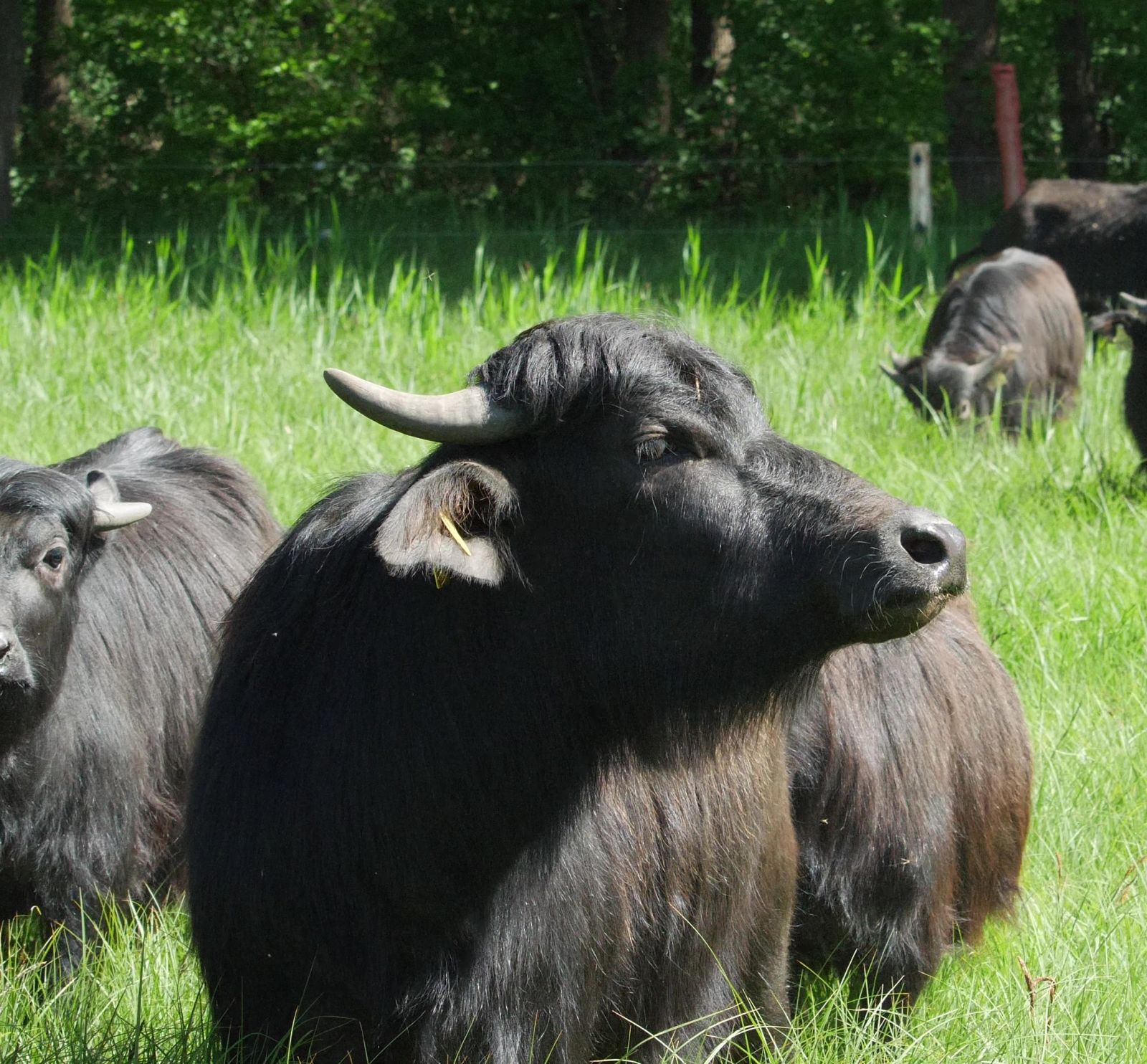
Around 70 participants discussed the future of water buffalo farming on peatland sites on 25 March 2026. Onthe agenda: value creation, the lack of slaughtering and processing infrastructure, the potential for climate and biodiversity protection. On the menue: water buffalo products.
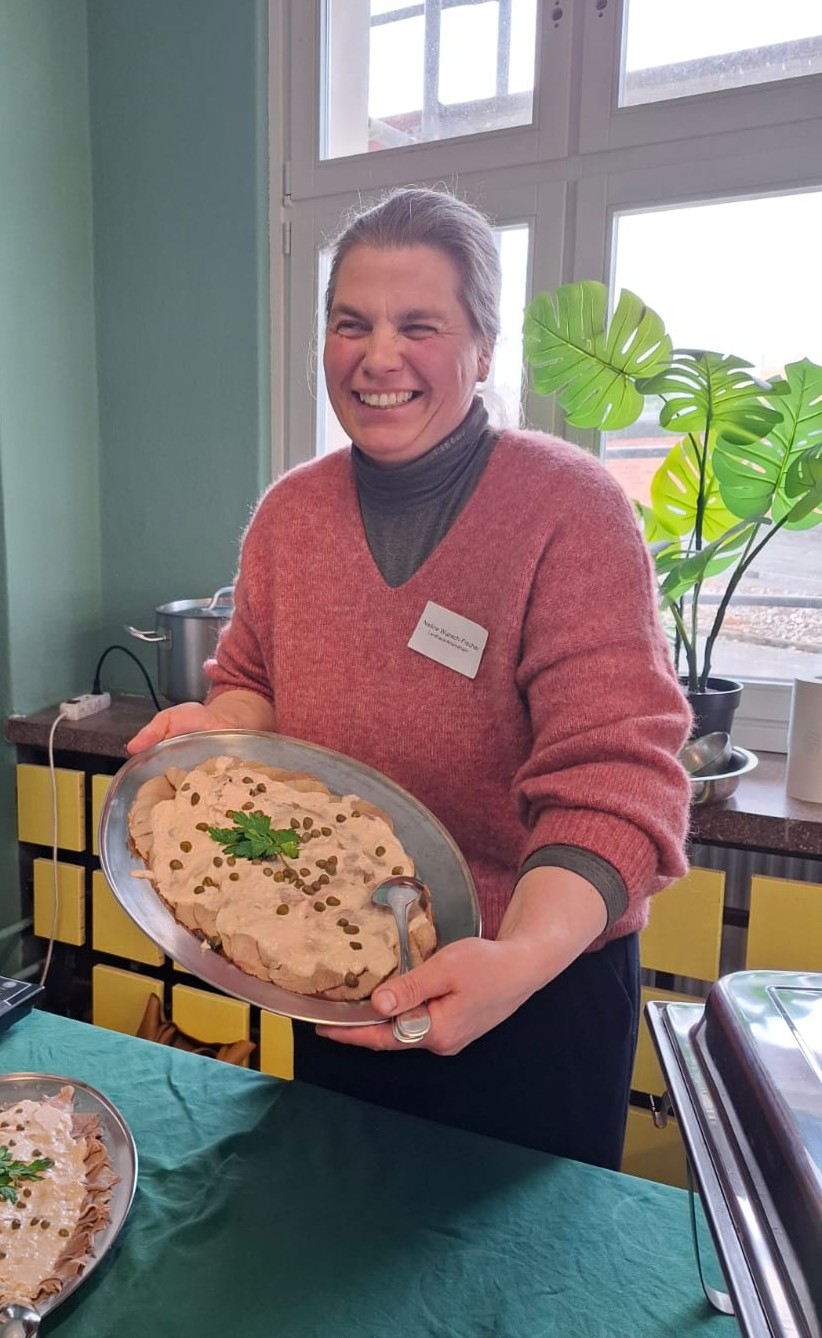
Farmers, certified marksmen, slaughterers, processing companies and marketing professionals from across Germany came together at the “Buffalo & Peatland” event to exchange views on current challenges and future prospects of water buffalo farming.
Presentations and discussions focused on the different stages of the value chain – from pasture to plate. The contributions highlighted that water buffalo farming is currently associated with a number of structural bottlenecks and challenges. In Brandenburg in particular, regional slaughtering capacities are lacking, resulting in long transport distances. For this reason, a number of water buffalos are culled directly on pasture by trained marksmen. This avoids the stress of transport and slaughterhouses for the animals. However, although this method has been permitted under EU law since 2021, it has not yet become standard practice among all permitting authorities. In addition, the number of processing facilities remains limited, from primary butchering to sausage production. The main causes identified were the shortage of skilled workers in the butchery sector and high regulatory requirements, ranging from certified master craftsman qualifications to complex approval procedures for slaughter facilities.
A key focus of the event was the development of concrete solutions. Dedicated time for exchange during breaks enabled participants to establish new contacts, strengthen existing networks and initiate direct cooperation – for example between farmers, processors and marketing actors. In this way, “Buffalo & Peatland” made a tangible contribution to advancing value chains. At the same time, the format significantly supported capacity building: the contributions provided practical knowledge on husbandry, slaughter, processing and marketing, helping to further establish water buffalo farming as a viable form of land use on rewetted peatlands. Through extensive grazing, water buffalo also promote species-rich wetland habitats and contribute to climate protection, as rewetted peat soils can store large amounts of CO₂.
The event concluded with a practical highlight: a tasting of 15 water buffalo products. Participants had brought goulash, salami, smoked sausages and fresh sausages from across Germany. Water buffalo meat is particularly low in fat and cholesterol and is therefore considered a healthier alternative to beef. The participants selected three products as their favorites. In addition to a certificate, the winners received a “peatland praline” presented by artist Anja Fiedler, which makes the connection between peatland conservation and food both tangible and experiential.
The event was jointly organized by the BLuMo peatland pilot project of the Brandenburg State Office for the Environment, the MOORBÜFFEL project and the German Buffalo Association (Deutscher Büffel-Verband e. V.).
Author: Bettina Tacke, Communications & Stakeholder Management Officer at the Brandenburg State Office for the Environment (LfU)
New: “Wet and Sustainable” Podcast Series
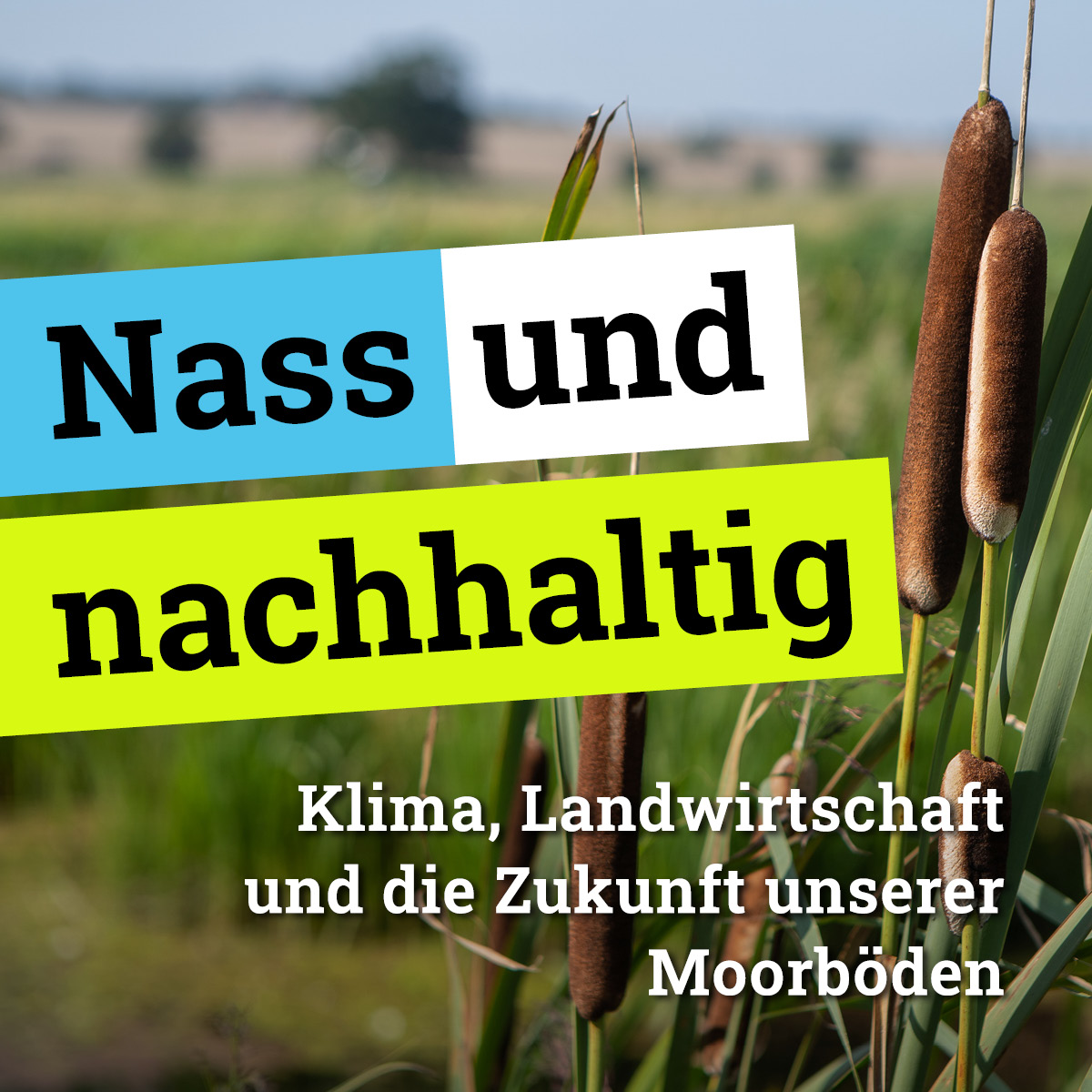
The new podcast series on the Federal Ministry for the Environment’s pilot projects for peatland conservation consists of four episodes. It features farmers, scientists, and businesses.
With Nass und nachhaltig – Klima, Landwirtschaft und die Zukunft unserer Moorböden (German only) the Zukunft – Umwelt – Gesellschaft (ZUG) has launched a new podcast series. It focusses on the four pilot projects on peat soil conservation funded by the Federal Ministry for the Environment, Climate Action, Nature Conservation and Nuclear Safety (BMUKN). These projects are testing how peatlands can be used sustainably and economically viable—in a practical, regionally adapted manner that can be replicated in other areas. Listeners gain insights into practical applications, research, and development surrounding the rewetting of peatlands and the agricultural use of wet peatlands.
Events: One year in Peatlands
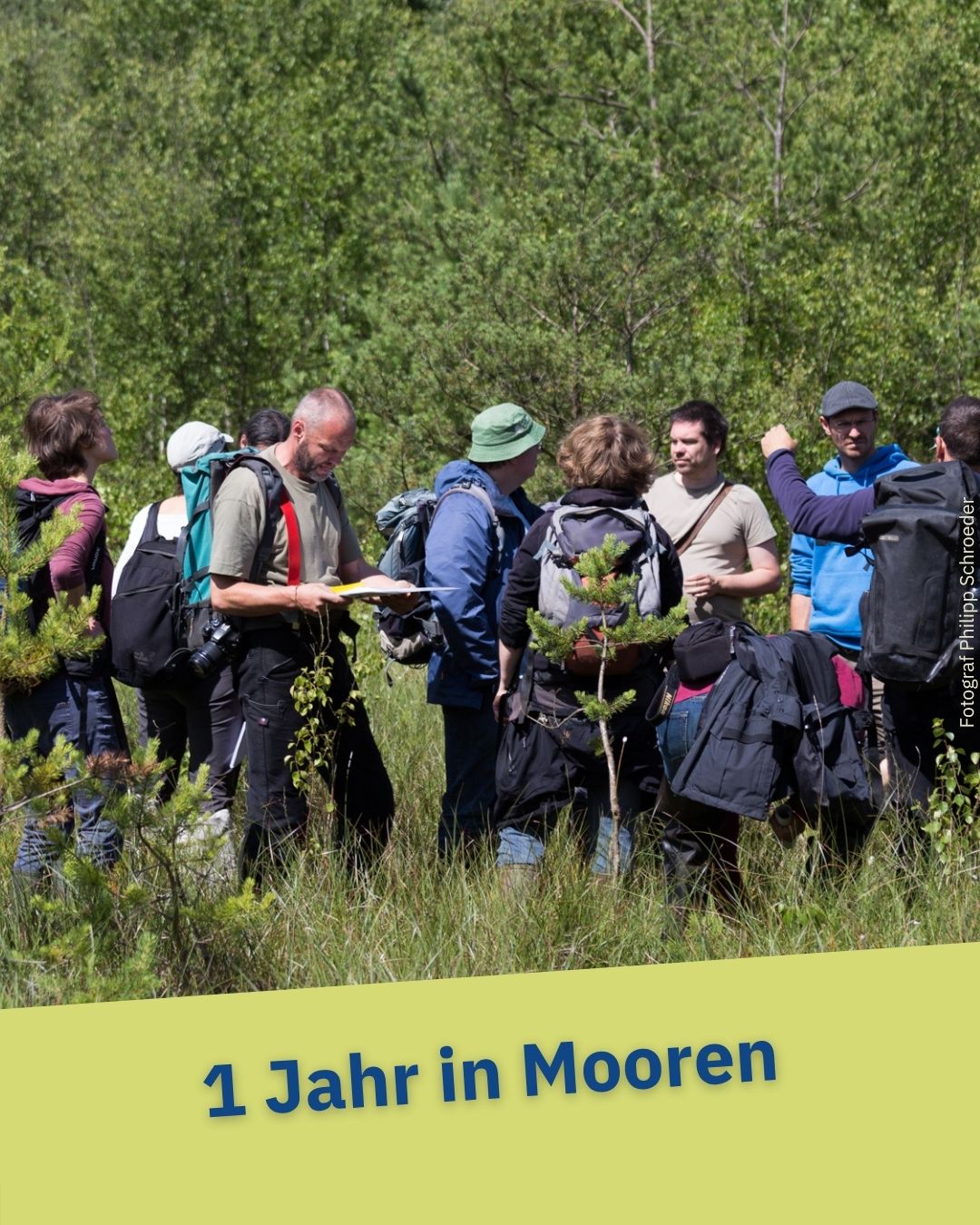
“One Year in Peatlands” offers a monthly event focused on peatlands—in-person, free of charge, and open to anyone interested in the Greifswald area. The history of peatland use and paludiculture are also topics covered during the field trips and reading evenings.
“One Year in Peatlands” is a series of events organised by the Greifswald Mire Centre, which explores the diverse peatland landscape in and around Greifswald, as well as in Vorpommern, throughout the year. Each month, an excursion takes place to a different peatland, focusing on a different theme. In summer, participants can experience key topics such as biodiversity, the history of land use or paludiculture in the field. During the winter months, participants can keep warm whilst taking part in practical work or relax in the cosy peatland library.
Whether near-natural, utilised, degraded or rewetted – the excursions take place in areas with very different conditions and functions. They are open to anyone interested, are free of charge, but require online registration: https://eveeno.com/111806670.
How does Typha germinate ... best?
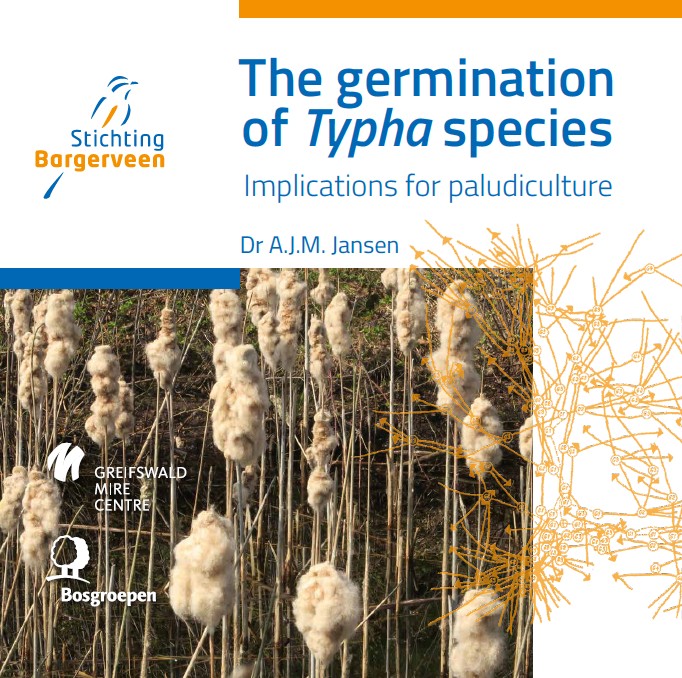
Andre Jansen wanted to find out how Typha germinates and what this means for the future of paludiculture. His findings are summarized in a brochure that is now available online.
Andre Jansen set to find how Typa germinates and what it means for the future of paludiculture – a climate-smart way of farming on rewetted peatlands. Because wet agriculture can help to protect peatlands while still producing valuable biomass!
The result: the brochure "The germination of Typha species" that is now available online! Based on an extensive literature review, it translates ecological knowledge into practical insights for sustainable land use and restoration.
Five key takeaways:
- Typha species produce enormous amounts of viable seeds, making sowing a promising and cost-effective alternative to planting.
- Water regime is the key driver: fluctuating water levels strongly influence germination and seedling establishment.
- Typha seeds germinate fast and reliably under the right conditions, especially with sufficient light and temperature.
- The species’ ability to form persistent seed banks allows rapid colonisation after rewetting events.
- Understanding germination ecology is essential for successful paludiculture and peatland conservation.
Eco Congress 2026 – Focus on Paludiculture
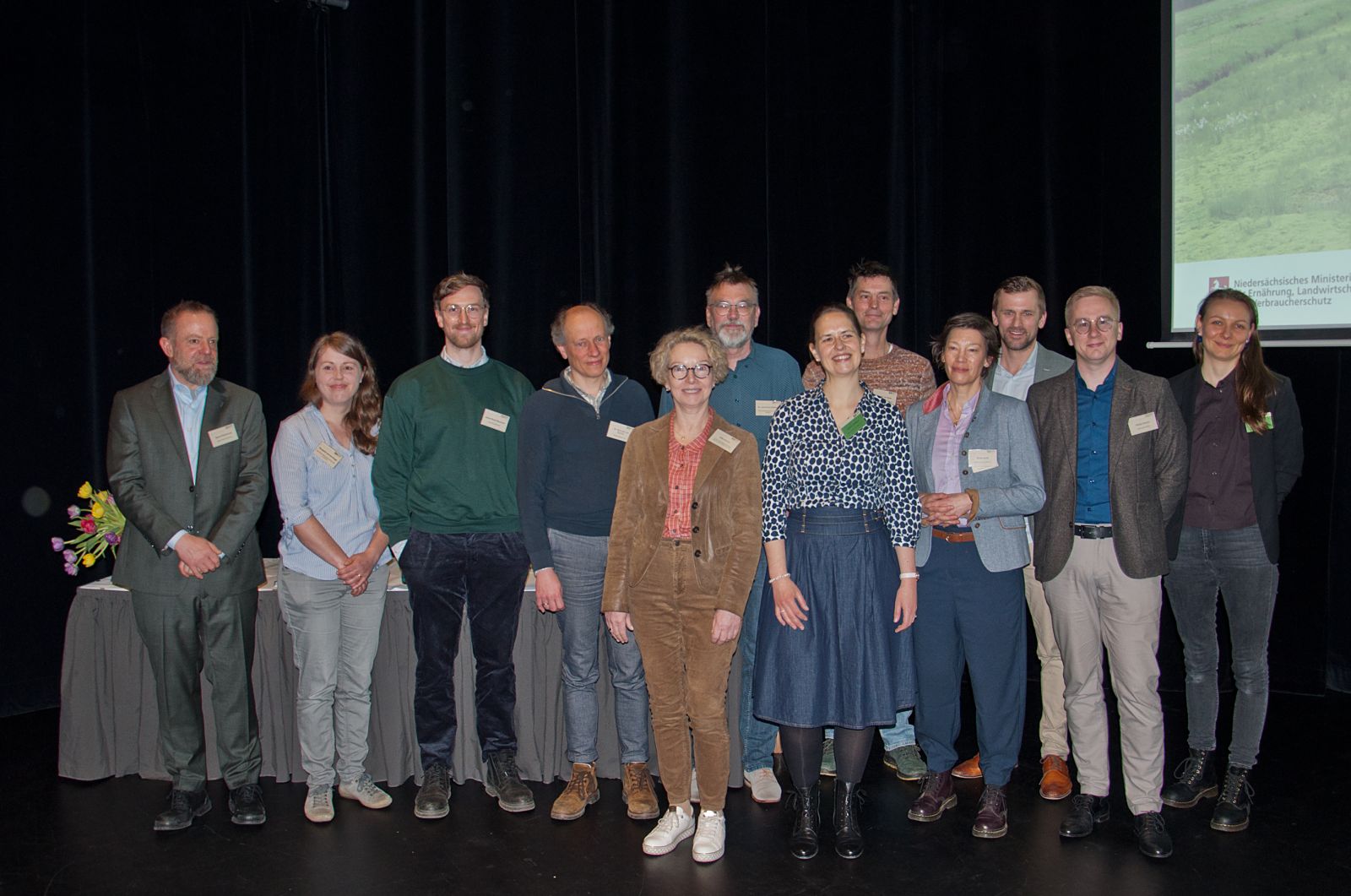
Paludiculture was a central theme at this year’s Eco Congress, bringing together Dutch and German experts.
Under the theme “Regional Resources for the Future,” the Eco Congress took place on March 12 and 13 at the Forum Alte Werft in Papenburg. A wide range of topics related to sustainable material cycles were discussed, including paludiculture as one of five key focus areas.
The congress was organized by Ecoras and the 3N Competence Center in collaboration with the Lower Saxony Paludiculture Competence Center. It serves as the central information hub for paludiculture in Lower Saxony and was responsible for raising the profile of paludiculture at the congress.
Numerous partners from FNR, Interreg, and ML-funded paludiculture projects—such as RoNNi, NAPALU, Paludi & Bau, Paludi & Markt, and PaludiFarming—participated as speakers in the diverse program.
During the first day, Christian Fritz from Radboud University Nijmegen and Gerald Jurasinski from the Greifswald Mire Centre introduced the 160 participants to paludiculture. In particular, they described developments in peatland management from Dutch and German perspectives.
Later, product presentations offered insights into the practical application of cropping paludiculture and wet meadows. Phillip Rutsch from OBI Group Holding introduced Paludi-Karton, a cardboard containing 10% Paludi biomass. Also inspiring was Sphaxx - a substrate made from cultivated peat moss as a peat substitute—brought by Sjanie Hindenberg (Klasmann-Deilmann GmbH); the use of cattails for insulation material by Bouwgroep Dijkstra Draisma (presented by Coen Verboom), and the use of recycled reeds for construction and interior design by Perta Boorsma (Biosintrum).
On the second day of the conference, participants delved even deeper into the value chains of paludiculture. Under the title “Paludiculture – From Field to Product,” three panel discussions addressed the successes and hurdles in establishing stable value chains for peat moss, cattails, and wet meadows. The Dutch and German experts came from all sectors along the value chains—from the cultivation and harvesting of biomass to the processing, testing, and marketing of products—and shared practical insights. Among the key findings was, that clear and simplified policy frameworks are needed to scale up the implementation of paludiculture. Equally crucial is taking action. The success story of peat moss cultivation, which is already economically viable today, demonstrates that this path is worthwhile.
At the poster presentation, paludiculture took up the largest section of the exhibition. Visitors could learn about initiatives such as the PaludiNet and the LivingLab Teufelsmoor. Exhibits like paludi paper, insulation boards, and paludi-based filaments quickly became the starting point for lively discussions. Outside, visitors could also see the innovative harvesting machines from Wittrock, which have been specially adapted for use on Paludi sites and have already been tested in our projects.
In addition, the Building Based on Biobased (BBoBB) showroom was on display, where visitors learned how sustainable building and insulation materials are produced from wood and renewable raw materials, such as cattails.
Overall, the topic of paludiculture was more prominent than ever at this year’s Eco Congress. It became particularly clear that German-Dutch cooperation holds great potential: differing political frameworks and approaches open up valuable opportunities to learn from one another and advance the implementation of paludiculture.
Authors: Sophia Storm and Jessica Meißner, both from the Lower Saxony Paludiculture Competence Center
Events
All current events are compiled in our online calendar.
Further Literature Recommendations
Recommended reading:
New brochure of the toMOORow-Initiative (2026) Paludi-Perspektiven – Hier wächst die Zukunft - Einblicke in die Arbeit der Paludi-Allianz (German)
About
This newsletter was produced as part of the PaludiZentrale project and supported by the Greifswald Mire Centre. PaludiZentrale is carried out by the Thünen Institute, the University of Greifswald and the Succow Foundation, both partners in the Greifswald Mire Centre. It is funded by the Federal Ministry of Agriculture, Food and Regional Identity (BMLEH) through the Agency for Renewable Resources (FNR). F.i.S.d.P.: Nina Körner, Franziska Tanneberger, Merten Minke.
