



Paludiculture Newsletter 2|2026
Paludi Highlight
More peatland on everyone’s lips
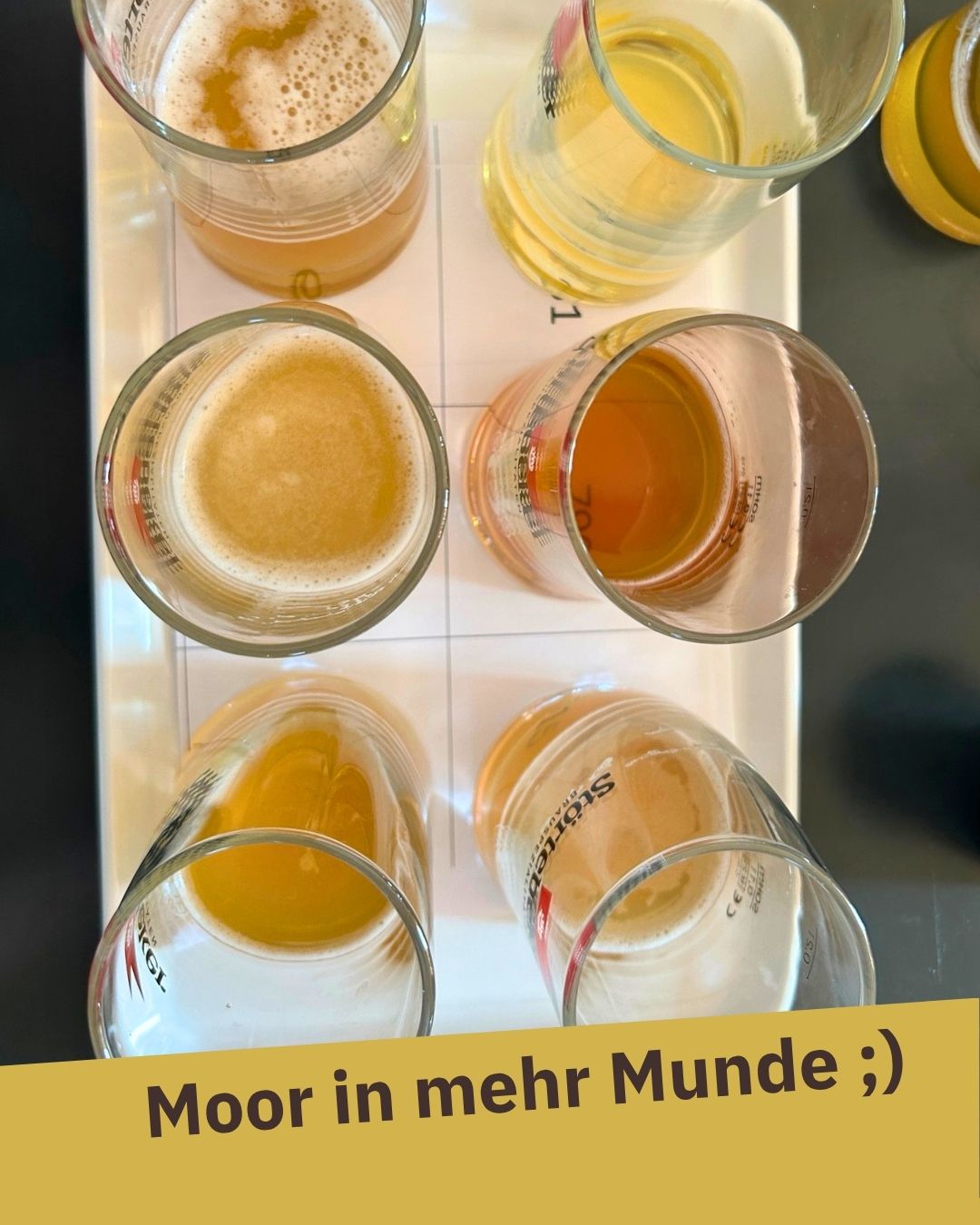
Beer is a great way to spark a refreshing conversation about peatlands. That’s why we were happy to support the German Amateur Brewers’ Championship, which features botanicals from approved collections of peatland plants this year, and to serve on the judging panel.
Getting more people talking about peatlands. What peatland enthusiast wouldn’t want that? Several peatland researchers from the Greifswald Mire Centre were therefore happy to serve as judges for the peatland beers at the German Amateur Brewers’ Championship hosted by Störtebeker Braumanufaktur. With flavors and colors ranging from peat-dark to marsh marigold yellow, it wasn’t easy to pick the winning beer! The bog-and-beer combination isn’t just refreshing - it also makes it possible to draw people’s attention to peatlands in a casual way. Of course, here at the GMC, we dream of cultivating these “botanicals” on a large scale - that is, fields of paludiculture featuring bog myrtle and bog birch on rewetted areas, for the mass production of delicious peatland beers.
But please note: For the brewing competition, we collected the botanical ingredients from the peatland with special permission. Especially in intact peatlands, which are often protected nature reserves, you are not allowed to pick or remove plants! You can gain more firsthand - or rather, first-keg experience with peatland beer brewing at the awards ceremony on September 5 in Stralsund. Until then - cheers!
The Paludiculture Interview
Diving deep into the mire-mosquito-myth
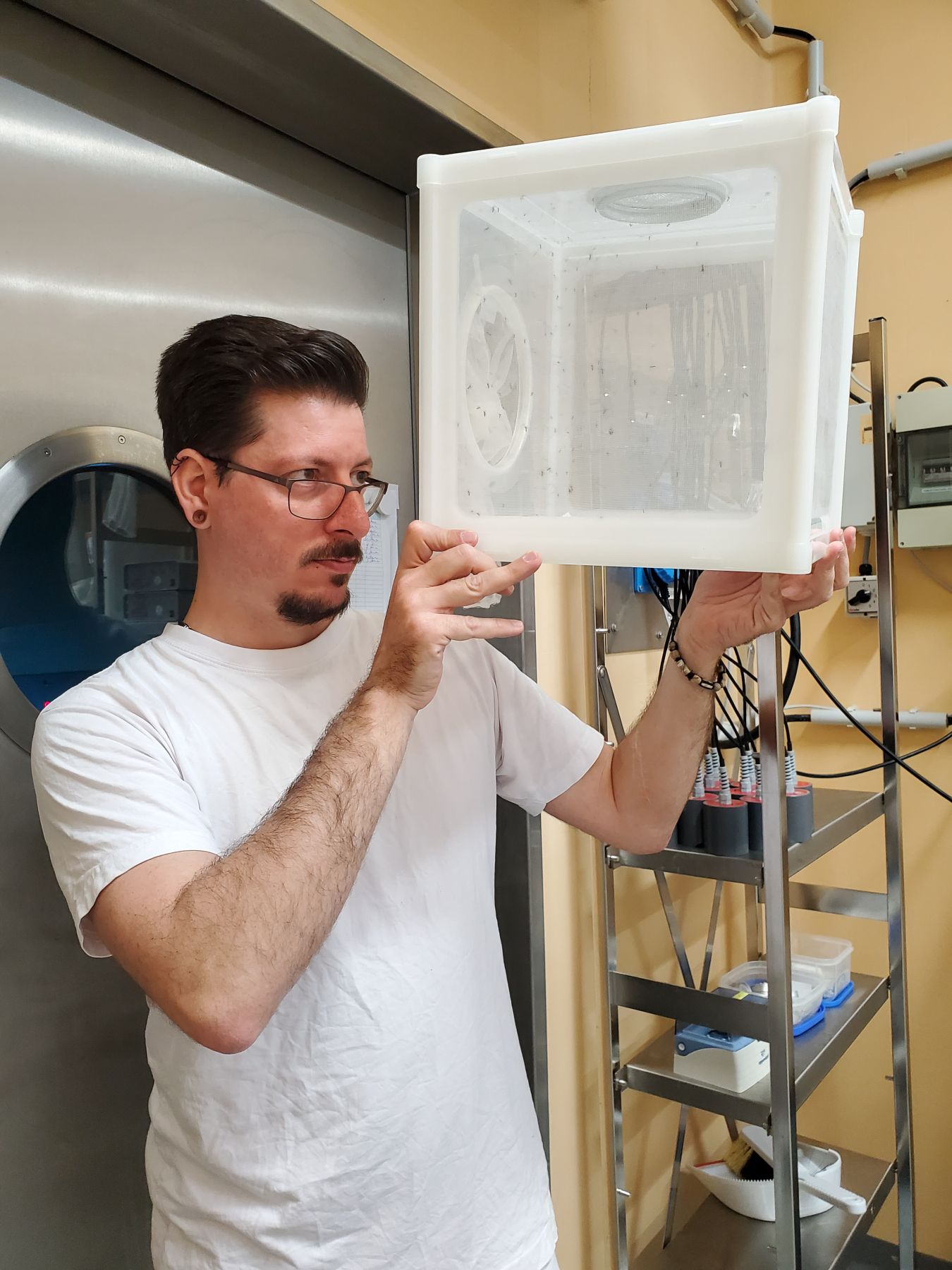
Patrick Gutjahr has spent three years studying mosquitoes (Diptera: Culicidae) in the Lower Peene Valley as part of the CuliMoor project, focusing on near-natural, drained and rewetted areas, as well as neighbouring settlements. There is not yet much data available on this subject. However, such data is vital for restoring these ecosystems, whilst protecting the health of humans and animals as well as dispelling myths. .
Mr Gutjahr, what would be the best-case and worst-case scenarios for a mosquito monitoring in a rewetted peatland?
The best-case scenario would be a highly diverse mosquito population with high ecosystem value, where the mosquitoes remain within a small radius of their breeding sites and do not carry pathogens. The worst-case scenario, by contrast, would be a large number of individuals from a few mosquito species that breed in the peatland but fly far into surrounding settlements in search of hosts and carry pathogens.
I deliberately say ‘carry’, not ‘transmit’, because whether a mosquito can not only pick up a pathogen but also pass it on depends on a many factors. Most importantly: not every mosquito is a vector, i.e. a transmitter, of pathogens, and not every vector can transmit every pathogen. It depends on the specific combination. We then speak of the vector competence of a mosquito species with regard to a specific pathogen.
Unfortunately, however, such studies do not yet exist for many of our native species, or at least not for all potentially circulating pathogens. This requires complex laboratory tests, which we are unable to carry out within the scope of our project.
And what did you find out about your study area?Our study area covered ‘only’ around 4,000 hectares – east of Anklam to Anklamer Stadtbruch, as well as the Bargischow North, South and Schanzenberg polders. A rather small area for monitoring, but we can now classify the species communities of mosquitoes according to wet, dry and settlement areas. The wet areas in the Peenetalmoor are characterised by species communities that tend to lay their eggs on areas with dense vegetation. In built-up areas, one tends to find species that lay their eggs in stagnant, more permanent bodies of water, such as rainwater barrels. Although we found more individuals of some species in the wet areas and a total of almost 30 different species – which is a lot for such a relatively small area – there was no increased prevalence of pathogens, and therefore no increased risk of infection compared to what would be expected in the surrounding area.
We also investigated the abiotic conditions for the mosquitoes in their respective habitats, such as humidity or the size of the water surface. These conditions could then serve as potential levers for managing the populations. However, species with different breeding strategies also appear to show little tendency to leave their preferred breeding sites, even though some can cover long distances, in some cases between 10 and 20 km. Overall, this is good news for local residents for the time being. So there is no need for them to worry.
Why are these findings important?
Experience shows that there are many mosquitoes in peatlands, and also many myths about the dangers they pose to humans and animals. But there is very little research data on this. The spread of pathogens and their vectors in peatlands is a blank spot; no one has really looked into it yet.
It is not the number of mosquitoes in a peatland that matters. What is crucial for assessing the risk of infection from rewetting is which hosts they prefere for their blood meal, which pathogens they may carry, and whether and how they come into contact with humans and (domestic) animals. The CuliMoor project has now provided us with our first complete dataset, involving collaboration across the disciplines of landscape ecology, vector ecology, virology and epidemiology. This helps to ensure certainty and transparency, as many people are interested and concerned. However, it remains important to avoid generalisations.
What exactly does that mean?
There are hardly any mosquito species in Germany that can be specifically characterised as ‘peatland mosquitoes’. There are distinct species communities. We assume that these communities are linked to the type of peatland and its usage. However, following our pilot study, we cannot say this with certainty yet. It is very important to know exactly which species we are dealing with. This is illustrated, for example, by the West Nile virus (WNV), which has been established in Germany since 2018 and is now frequently found, particularly in the new federal states and the Berlin metropolitan area. The pathogen can cause West Nile fever in humans, an infection that usually presents with flu-like symptoms. It is primarily transmitted by the common house mosquito (Culex pipiens s.l.). This is a species of mosquito that is particularly prevalent in built-up areas. As this species is also found in wet peatlands, albeit usually in significantly lower numbers than in built-up areas, a changed risk of infection can therefore be assumed in relation to this pathogen.
The simplistic assumption that ‘more wet peatlands -> more mosquitoes -> higher risk of infection’ is therefore probably too narrow. Nor should we forget that mosquitoes also play an important role in many ecosystems as prey or, in some cases, even as pollinators.
How does this monitoring work in practice?
In our study, we set up traps ‘in the field’. From April to November, these were switched on for 24 hours every two weeks.
And how do the traps work?
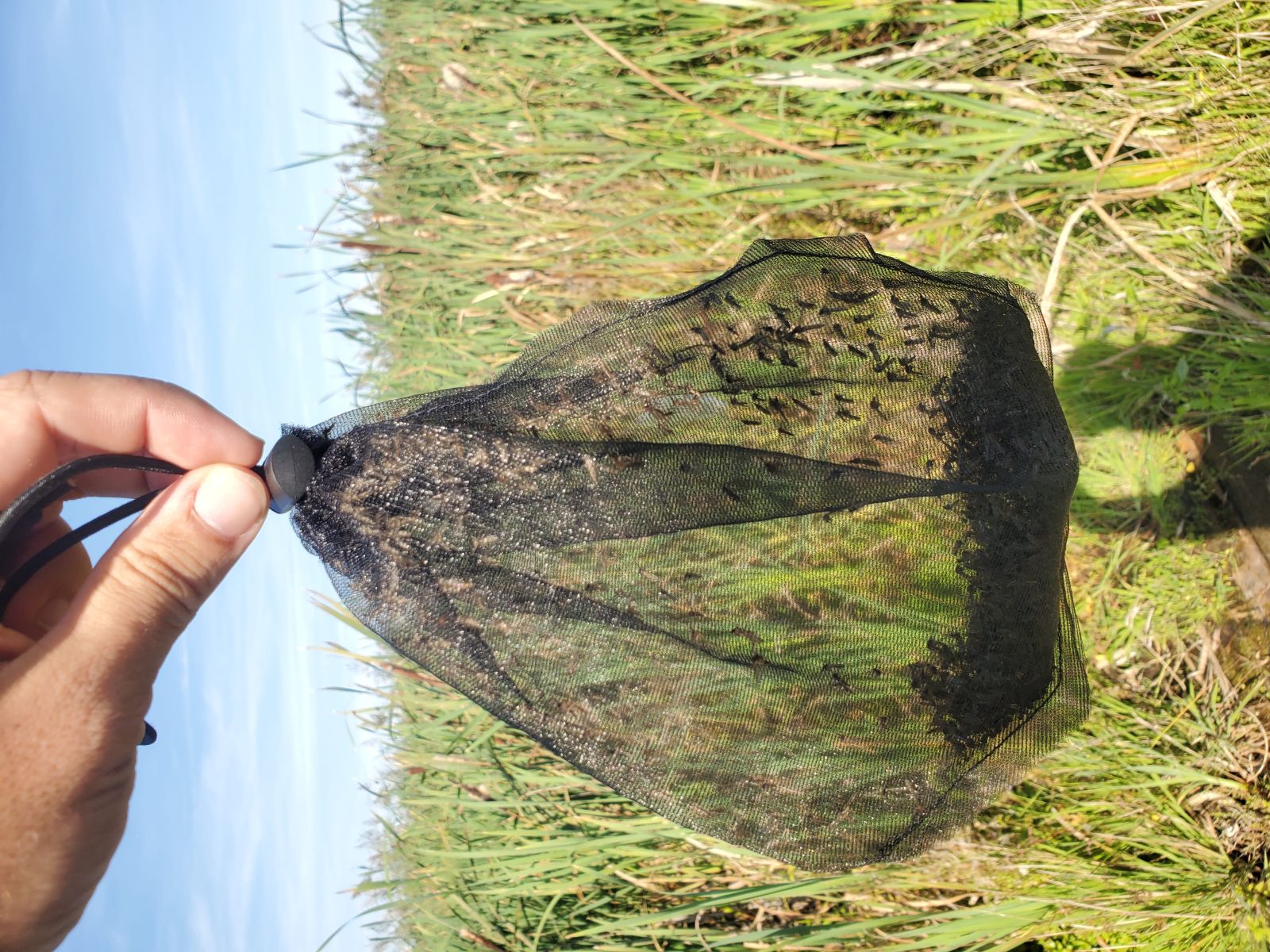
They are active scent traps. They mimic the breathing and body odour of mammals and attract female mosquitoes after they have mated. Only the fertilised females are blood-feeding; otherwise, mosquitoes are vegetarians. A small fan creates a suction effect, drawing the mosquitoes into a net where they are held until we collect the sample the next day and take it back to the laboratory.
To supplement this, we have taken samples from breeding waters. This allows us to determine whether the insects caught in the traps also breed in the peatland – and perhaps even more so there than elsewhere. Furthermore, there are species that respond poorly or not at all to the traps, because the traps mimic mammals and some mosquito species prefer birds, amphibians or reptiles. This gives us an indication of the distance between the breeding sites and the trap catches – which can be quite crucial.
Then the work continues in the laboratory?
There, we identify the species and their abundance based on external characteristics and through genetic analysis. We test the most common species and blood-fed insects for viruses and parasites and can determine the blood host. However, we rarely find mosquitoes with a ‘full stomach’, as they retreat for two to three days to digest their meal before laying eggs and no longer respond to the traps.
What happens to the research findings?
Fortunately, rewetting projects are becoming more common, and our findings should be incorporated into these to dispel the main concern – namely ‘malaria scare’ – amongst local residents and to educate them about the ecology and epidemiology of the area based on sound research findings. Our findings are also transferable, primarily to fen peatlands in the southern Baltic Sea region or to areas with comparable water level fluctuations. Under certain circumstances, these may include the fringe areas of floodplains or lakes.
The interview was conducted by Nina Körner.
The project CuliMoor – Evaluation of the mosquito fauna (Diptera: Culcidae) in the context of the rewetting of peatlands with regard to the occurrence of zoonoses, conducted by the Friedrich Loeffler Institute and the Greifswald Mire Centre – identified, between 2023 to 2026, just under 140,000 mosquitoes from nearly 30 species and five genera in near-natural, drained and rewetted areas and adjacent settlement areas, in order to assess the risks they may pose to humans and animals in these areas.
News from Paludiculture Projects
When We Talk About Drought, We Must Talk About Water
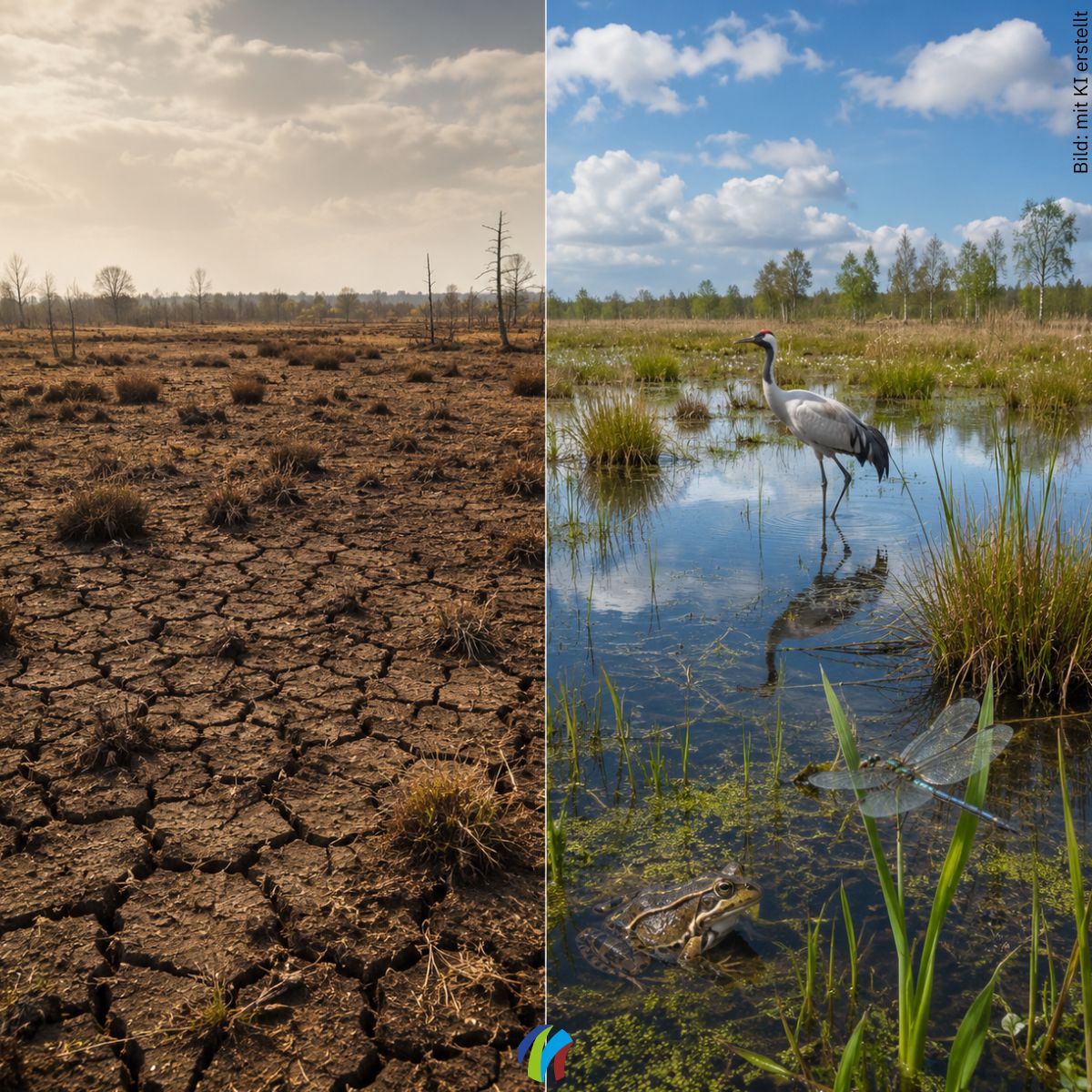
A new GMC information paper recently released on International Day of Desertification highlighted the importance of peatlands for water retention in landscapes, biodiversity, and sustainable use
Wet and rewetted peatlands play a key role in making landscapes more resilient to increasing periods of drought and extreme weather events. Although total precipitation levels remain similar to previous levels, they are distributed more unevenly. Extreme weather events such as heavy rainfall and long periods of drought are on the rise.
A recent information paper explains in detail how peatlands regulate the landscape’s water balance, which factors determine their water storage capacity, and what role rewetting plays in flood control and climate protection. It also outlines the conditions under which rewetting can be successfully implemented and the challenges involved.
Peatland restoration is essential for climate protection: To achieve the goal of net-zero emissions by 2045, approximately 80,000 hectares of peatlands would need to be restored annually. In particular, the removal of artificial drainage systems is crucial to this effort.
Greenhouse gas emissions and rewetted peatland PV
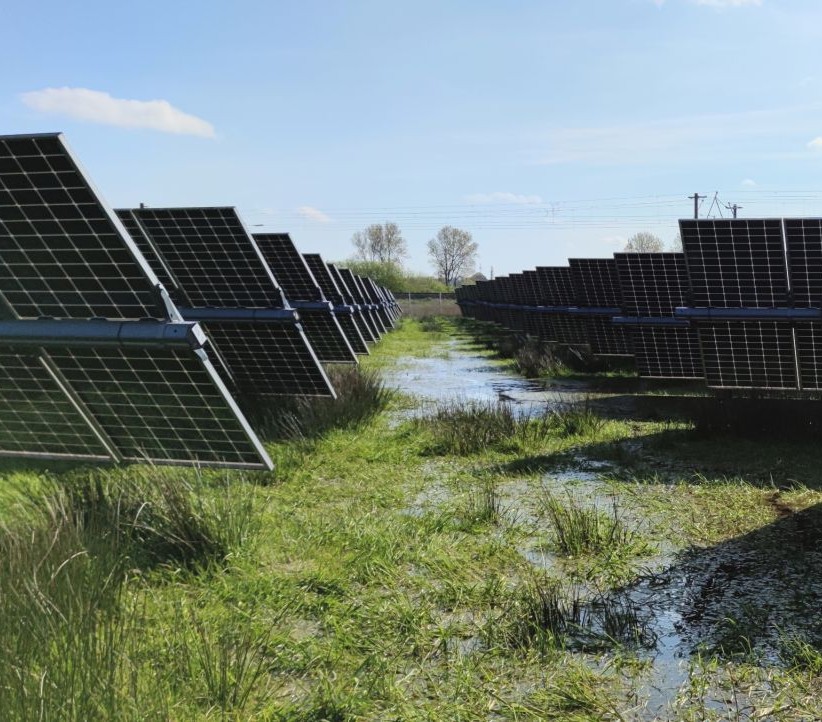
How do solar panels influence environmental conditions and nitrous oxide emissions in rewetted peatlands? A master’s thesis within the “Moor-PV” project presents initial findings on the effect of photovoltaic systems on greenhouse gas emissions in a rewetted peatland.
Photovoltaic systems installed on rewetted peatland are increasingly being discussed as an innovative form of land use that combines climate protection with energy generation. However, little is currently known about how solar panels affect environmental conditions in rewetted peatlands and, consequently, greenhouse gas emissions.
As part of the “Moor-PV” project at the University of Greifswald, a partner in the Greifswald Mire Centre (GMC), funded by the Joachim Herz Foundation, Paula Sanchez Alandete’s master’s thesis, supervised by Dr. Cordula Gutekunst and Prof. Dr. Gerald Jurasinski, was completed in March 2026. The aim of the thesis was to investigate, for the first time, how solar panels affect environmental conditions in rewetted peatlands and what effects this has on nitrous oxide (N₂O) emissions. The thesis was conducted in cooperation with Wattmanufacktur GmbH & Co. KG, which made its photovoltaic system on a rewetted peatland in Lottorf (Schleswig-Holstein) available as a study site.
During eight measurement campaigns spanning a total period of more than one year, nitrous oxide emissions were measured at sites with and without solar panels. In addition, environmental variables that influence nitrous oxide emissions, such as water level, soil moisture, and soil temperature, were recorded.
Our results show, as is also known from previous studies, that nitrous oxide emissions vary significantly in both space and time. Hydrological conditions emerged as the most important environmental factors: high and stable water levels were generally associated with lower nitrous oxide emissions. The solar panels had a significant influence on environmental conditions. At the panel sites, short-term fluctuations in water level, soil moisture, and soil temperature were less pronouced than at the control sites. In particular water level showed greater stability and a higher annual average value at the panel sites, which fundamentally supports the objectives of rewetting.
Contrary to initial expectations, this stabilization of environmental conditions did not lead to an overall reduction in nitrous oxide emissions; no significant differences were observed between sites with and without solar panels.
Since this is the first known study on the effects of photovoltaic systems on nitrous oxide emissions in a rewetted peatland, the results should be interpreted with caution. Site conditions, land-use history, and other environmental variables that could not be accounted for in this study may have influenced the results. At the same time, this results provide important initial insights into how solar panels alter environmental and microclimatic conditions in rewetted peatlands.
Overall, the study shows positive results for the combination of peatland rewetting and photovoltaics. Although no direct reduction in nitrous oxide emissions was detected under the solar panels, the observed higher and more stable water levels suggest that rewetted peatland PV can support rewetting goals. The study thus lays an important foundation for future research on the effects of solar panels on other greenhouse gases such as methane (CH₄) and carbon dioxide (CO₂) and helps to better assess the potential of this innovative form of land use.
Author: Paula Sanchez Alandete, paula.sanchezalandete@uni-greifswald.de
Stepping out of the niche – a workshop series of Paludi4all
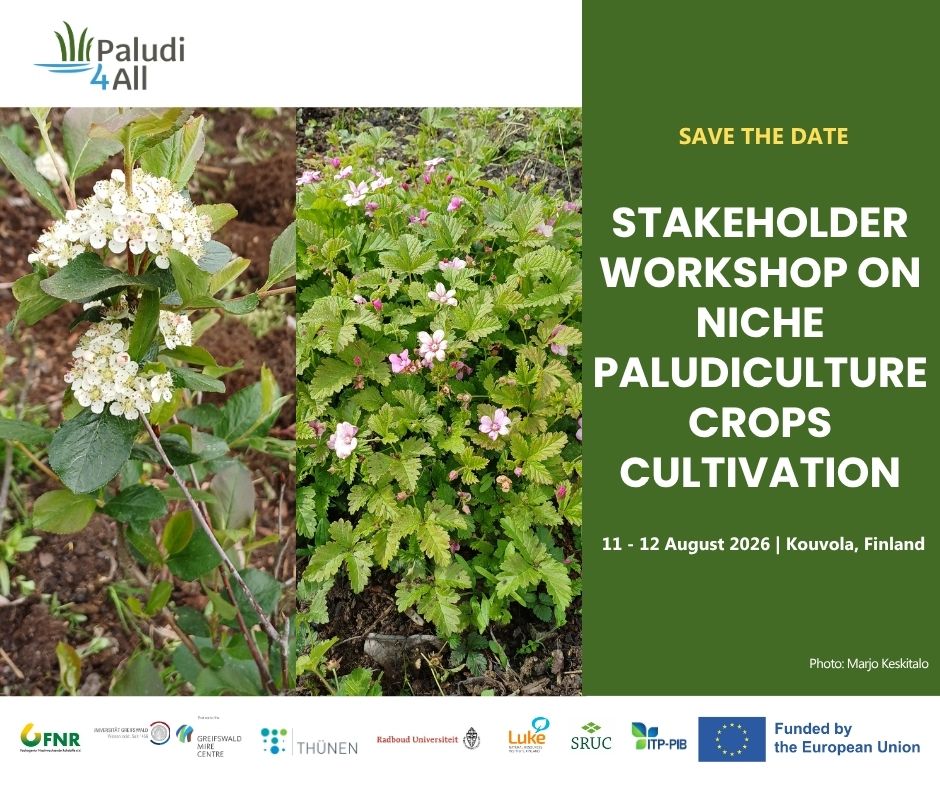
Cultivating niche paludiculture plants or peat moss - the Paludi4all in coop with other projects offers workshops in Finland and Germany. Registration is now open. In the meantime, you can also find insights into past workshops on cattail and reed cultivation.
Niche crops for paludiculture, such as bog myrtle, sundew and wild berries, are opening up new ways to combine climate protection, biodiversity conservation and income generation on rewetted peatlands in Europe. Their cultivation can reduce greenhouse gas emissions from drained peat soils while creating innovative bio-based products and value chains. To explore these opportunities, the EU-funded Horizon Europe project Paludi4All is organising a stakeholder workshop on 11–12 August 2026 in Kouvola, Finland. Hosted by the Natural Resources Institute Finland (LUKE) in collaboration with the SuoLiike project, the workshop will provide a platform to exchange knowledge and experience on niche crop cultivation, usability, product development and value-chain perspectives. The workshop targets practitioners, researchers and value-chain actors from different European regions involved in this workshop theme. Further information on the programme and registration: https://www.paludi4all.eu/news-events/stakeholder-workshop-on-niche-paludiculture-crops-cultivation
Sphagnum moss is attracting growing interest as an alternative material for peat-free horticultural substrates. To investigate its potential and obstacles, the EU-funded Paludi4All project, in collaboration with the MOOSland project, is organising a two-day workshop for stakeholders on Sphagnum cultivation in north-west Germany from 30 September to 1 October 2026. The programme combines a field trip to Sphagnum cultivation sites and processing facilities near Oldenburg with an in-house workshop on cultivation methods, product characteristics and market opportunities. The event is designed as a platform for exchange between experts and is aimed at stakeholders from the fields of research, horticulture, growing media production, tree nurseries, politics and civil society. Further information on the programme, venue and registration will be published here: https://www.paludi4all.eu/news-events/save-the-date-stakeholder-workshop-on-sphagnum-cultivation. In the meantime, anyone interested is asked to contact the organisers at info@paludi4all.eu and to save the dates.
Wet meadows in paludiculture was the theme of the third Paludi4All stakeholder workshop, held in mid-June near Białystok, northeast Poland. Over two days, researchers, practitioners and farmers visited wet meadow sites, cross country exchange and discussed pathways for sustainable wet meadow biomass uses. Shared understanding among participants that wet meadows can be managed in ways that keep peat soils wet, support biodiversity and still provide useful biomass for local land users. This only works well when water and mowing management, funding schemes and cooperation with local land users are aligned. The workshop, hosted by the Institute of Technology and Life Sciences National Research Institute in Poland (ITP‑PIB), included field visits to sites managed by the Polish Society for Bird Protection (PTOP) in the Gródek–Michałowo Basin and the Upper Narew River Valley, as well as expert inputs. Read more in the full workshop recap on
You can find these and other reports on previous workshops on cattail and reed cultivation at Paludi4All: News & Events
Author: Ratna Tondang, FNR e.V.
Paludi-Summer School
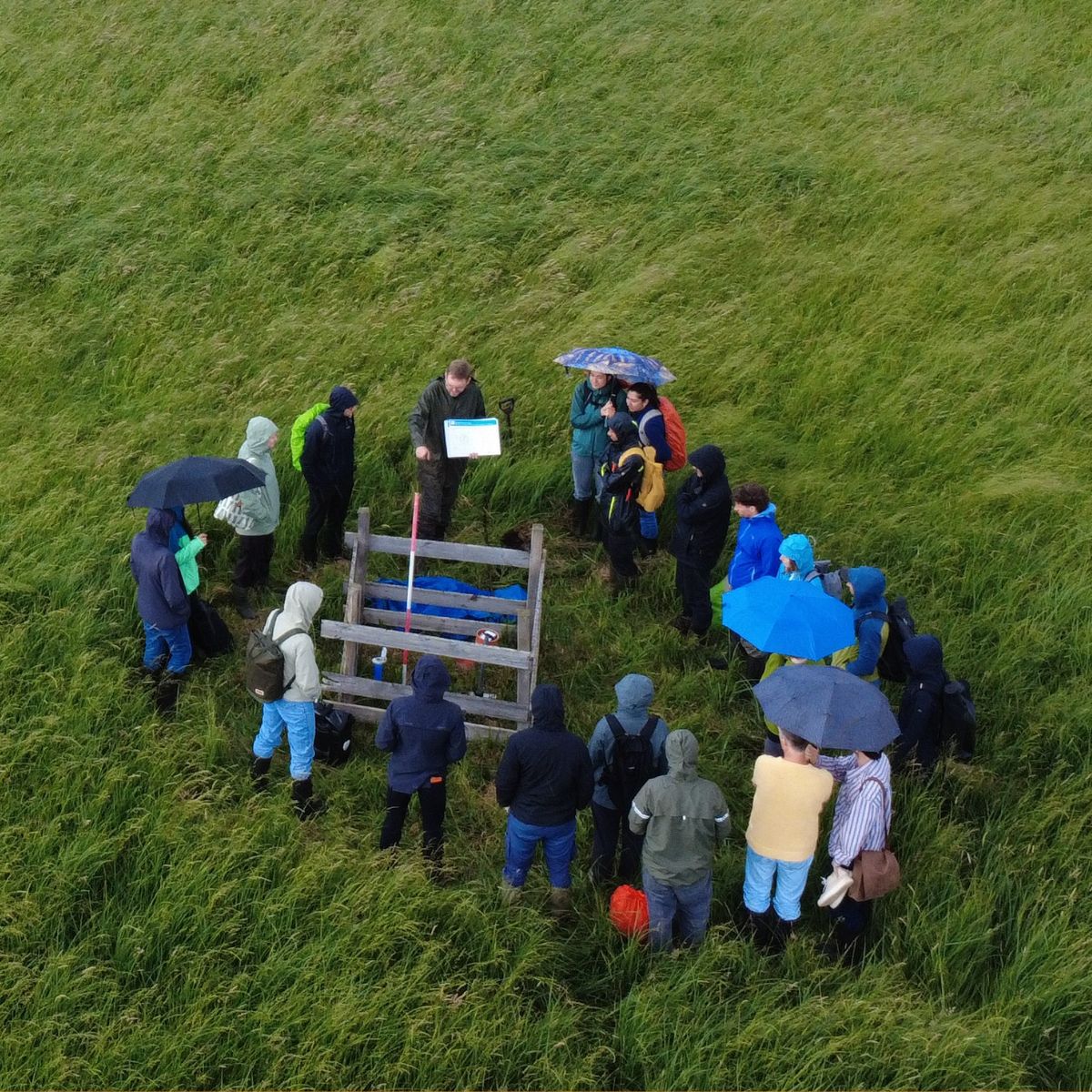
Peat under their fingernails, fresh ideas in their minds and an international network to take home with them: at the first Paludiculture Summer School, 20 early-career researchers spent ten days exploring the many facets of paludiculture – from peatland hydrology and greenhouse gas measurements to visionary ‘Paludi Futures’.
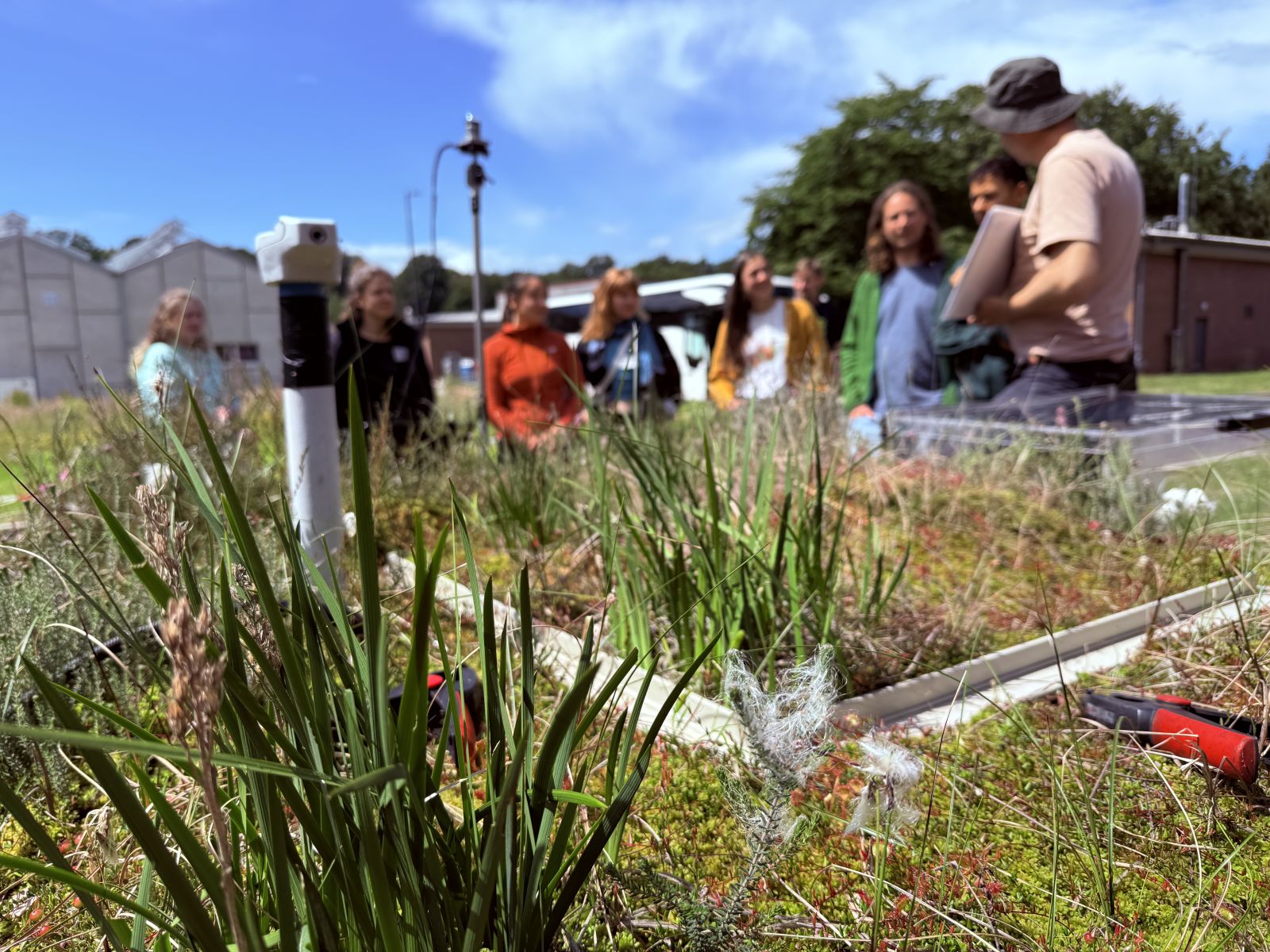
For ten days in June, twenty early-career scientists from Germany, the Netherlands, and Switzerland, many from PaludiNet projects, came together for the first Paludiculture Summer School, hosted by the PaludiCentral project, a collaboration between the Thünen Institute and University of Greifswald and Michael Succow Foundation, both partners in the Greifswald Mire Centre.
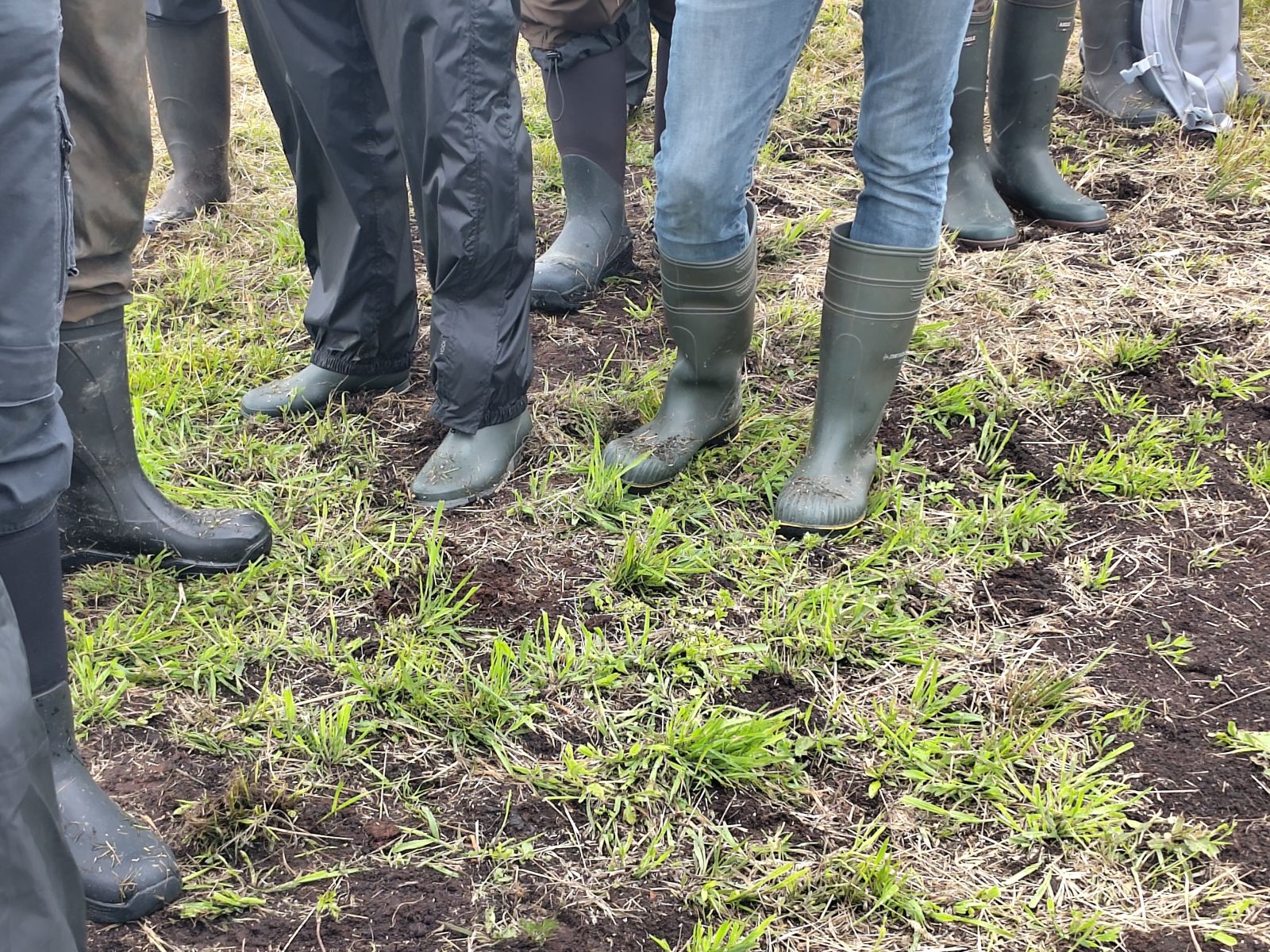
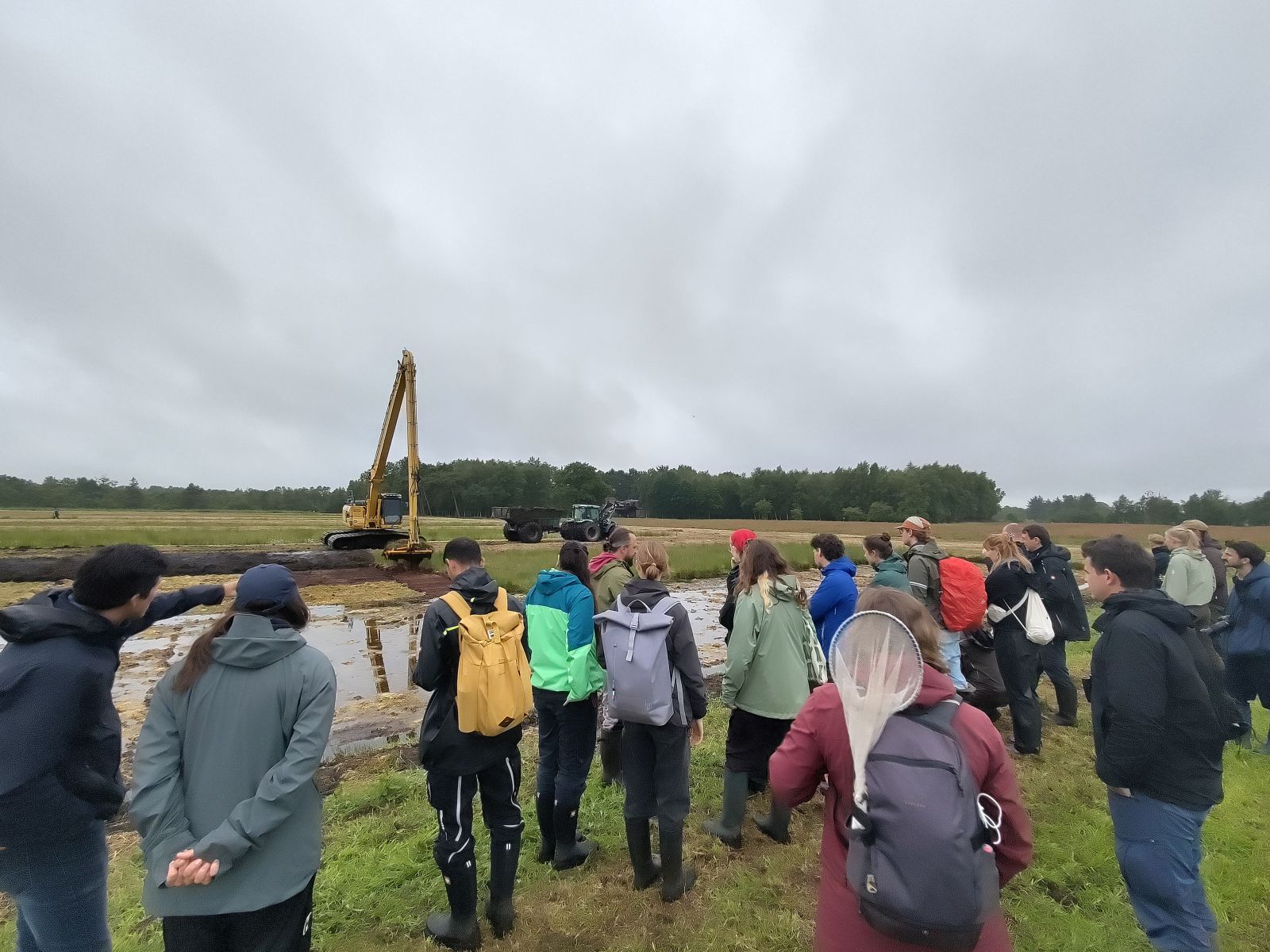
Beginning in Braunschweig and concluding in Greifswald, the summer school offered a diverse programme covering a spectrum of paludiculture related topics. Participants explored the fundamentals of organic soils, peatland hydrology, biodiversity, greenhouse gas measurements, and the socioeconomic and technical dimensions of paludiculture. Theoretical sessions were complemented by lab visits and field excursions, providing opportunities to deepen one’s own understanding and to put knowledge into practice. Furthermore, the poster session facilitated an in-depth exchange not only amongst the participants, but also with researchers from the Thünen Institute who were taking part in the presentation (link to interviews). Participants left the summer school with peat-stained fingers and with new questions on the placement of Eddy covariance towers and challenges involved in measuring hydraulic conductivity.
The excursions provided the opportunity to visit a range of sites within the PaludiNet network. Highlights included the MOOSland site and witnessing a sphagnum harvest; the RoNNi project, where preparations for Typha planting were underway; the reed plantation of the PaludiMV project; an established Typha cultivation site in Neukalen; several MoMoK (Peatland monitoring program for climate protection) sites; and, finally, a near-natural fen in the Peene Valley, a potential future habitat for aquatic warbler translocation efforts. These visits brought seminar room concepts to life and demonstrated the diversity of approaches currently being developed across the paludiculture landscape.
 |
 |
Learning was balanced with lively discussions, an interview, interactive games, role-playing exercises, and a visit to the peatland library. Participants were also given space to think creatively about the future of paludiculture and share their hopes, dreams, and visions for “Paludi Futures”. Ideas ranged from advances in paludi biomass value chains with magical sorting machines to large-scale immersive paludiculture parks, local infrastructure revolutions, and anchoring paludiculture in our social conscience with the paludi barbie in waders, and seeing peatland futures from the perspective of a dragonfly. In its own small way, the summer school became a first step toward these futures. By bringing together the expertise, curiosity and passion from different universities, organisations, and countries, it created new networks and inspired fresh ideas, questions, and collaborations. Friendships were formed, perspectives broadened, and a new generation of peatland professionals left with renewed motivation and optimism for the future development of paludiculture.
RRR2025 - Aftermovie
Just in time for International Peatlands Day, the official aftermovie for the 2025 International RRR Conference was released. A film featuring 350 participants, 84 presentations, and a common theme — the sustainable use of peatlands, also known as paludiculture.
The aftermovie on the international conference „RRR2025 - Renewable Resources from Wet and Rewetted Peatlands“ conference features voices from countries in Europe, Africa, and the U.S. that highlight varying levels of development and potential:
Lorna Parker from the United Kingdom discusses the experimental nature of the initiative there so far and the nascent cultivation of cattails in the Great Fen.
Leonard Akwany from Kenya sees paludiculture there as still in its infancy, but also recognizes its great potential for water and climate protection, as well as the advantage of being able to build on European experience.
Prof. Christian Fritz from the Netherlands emphasizes the strength of paludiculture in combining effective climate protection with economic use, as well as benefits for the water balance and the microclimate. He considers knowledge transfer, economic incentives, and cooperation among various stakeholder groups to be crucial for further implementation.
Prof. Harald Grethe from Germany estimates that the transition to large-scale rewetting and paludiculture will take between 15 and 25 years. He considers linking rewetting efforts to renewable energy and fostering intensive exchange between science and practice to be central to this process.
Orion Blake, a farmer from the U.S., shares his experiences with wetland farming in the Walkill River Valley. In light of land subsidence and increasing flooding, he sees paludiculture as a sustainable solution, but faces significant resistance. Yet through his own farm, he has been demonstrating for several years how such approaches can be implemented locally and practically.
From a niche concept to almost a trend—GMC Director Franziska Tanneberger provides insight into how paludiculture has developed over the past ten years and how it can best be scaled up in the future. In her view, the RRR conferences since 2013 have contributed to this by connecting stakeholders worldwide and fostering exchange.
Current national funding decisions, such as the Palu Guidelines, are giving the topic of paludiculture an additional boost. The RRR organizers, the Greifswald Mire Centre and the Thünen Institute, are therefore confident that they will once again bring together stakeholders from academia, the field, and politics in 2028 to share knowledge, strengthen networks, and jointly develop concrete approaches for rewetting and the productive wet land use of peatlands .
New Funding Scheme for Paludiculture in Germany
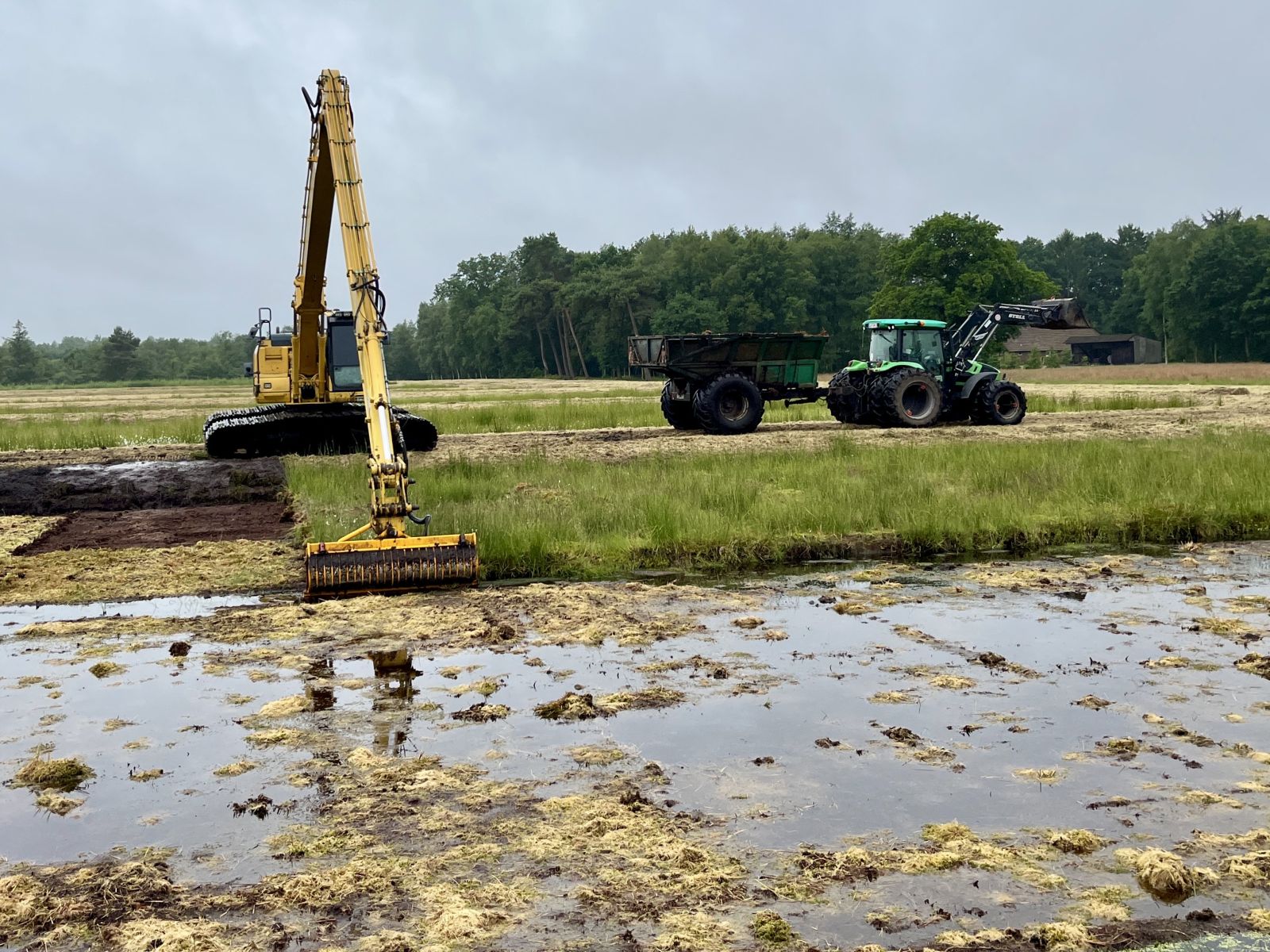
The Federal Ministry for the Environment’s Palu-Guideline represent a significant progress concerning paludiculture funding. The Centre of Competence for Nature-based Climate Action and the Rentenbank offer information and advice.
With the publication of Germany’s new Palu Directive, a comprehensive funding instrument is now in place to support the rewetting of agricultural peatlands and the establishment of paludiculture. A total of €1.75 billion has been allocated to peatland climate protection measures in the coming years.
The scheme covers planning, investments, compensation payments, and the transition to wetland crops such as cattail, reed, sedges, and peat moss. According to the Greifswald Mire Centre, the directive creates the conditions needed to scale up peatland rewetting and productive peatland use across Germany.
However, funding alone will not be enough. Alongside practical implementation, viable markets for paludiculture biomass are essential. Applications in construction and insulation materials, packaging, growing media, bioenergy, and the combination of rewetting with photovoltaic systems already demonstrate the economic potential of wet peatland use.
The new directive therefore marks an important milestone in moving peatland rewetting and paludiculture from pilot projects into widespread practice.
Consultations and detailed information on funding opportunities under the directive are available from the the Rentenbank, and information and events from the Centre of Competence for Nature-based Climate Action (Kompetenzzentrum Natürlicher Klimaschutz (KNK)) .
What the EU CAP means for Paludiculture
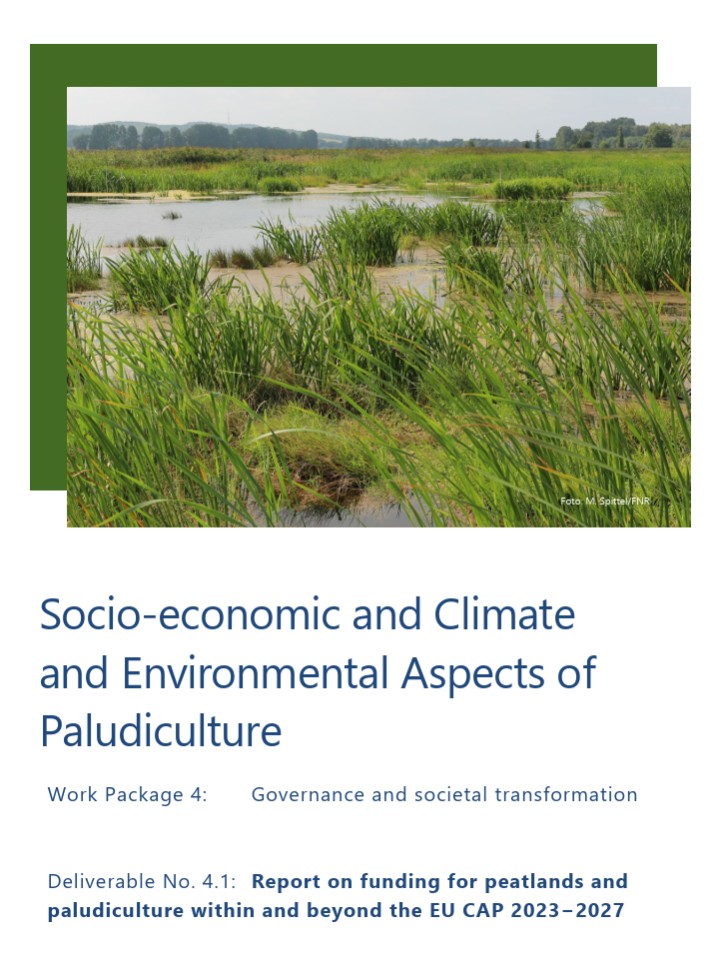
A report of Paludi4All analyses the current funding conditions for paludiculture within the EU framework. Not too bad, it finds. Some countries provide good examples, too. But there‘s still room for improvement.
The current Common Agricultural Policy (CAP) 2023–2027 of the European Union channels €387 billion through national CAP Strategic Plans across the Member States. It creates more opportunities than previous funding periods for peatland protection, rewetting and paludiculture, as a new report issued within the project Paludi4all shows. However, the extent to which these opportunities can be realised in practice, still depends on how Member States reflect the CAP framework in their national strategic plans.
For the first time, the current CAP creates a clearer framework for peatland and paludiculture. It sets a minimum protection standard for peatland and wetland protection, addresses eligibility for direct payments and opens the door for eco-schemes to support paludiculture and peatland rewetting. Beyond this, the CAP toolbox offers further opportunities to advance paludiculture through agri-environment-climate schemes, investment support, cooperation, advice and training.
Direct payment eligibility remains a key challenge for paludiculture. Important paludiculture crops such as reed, cattail and Sphagnum moss are still classified as non-agricultural products, and so far only six of the 27 Member States have implemented the new derogation rule that can maintain payment eligibility. Wet grassland paludiculture may still qualify as permanent grassland, but this status can be lost if non-fodder plants become dominant. For farmers and land managers, this creates ongoing uncertainty when considering a transition to paludiculture.
The report estimates, that, even so, the current CAP is becoming more supportive for peatlands and paludiculture, countries including Denmark, Germany, Ireland, the Netherlands and the United Kingdom already provide useful examples. They already show, how different national instruments and policy approaches can work together within and beyond the CAP. Looking ahead, a policy mix could help support the transition. This would include positive incentives for paludiculture and peatland ecosystem services, while gradually phasing out support for drainage-based peatland use. Additional instruments, such as a CO₂ tax, could also help to improve planning security in the long-term.
Paludiculture in East Africa – Innovation with Peat4People
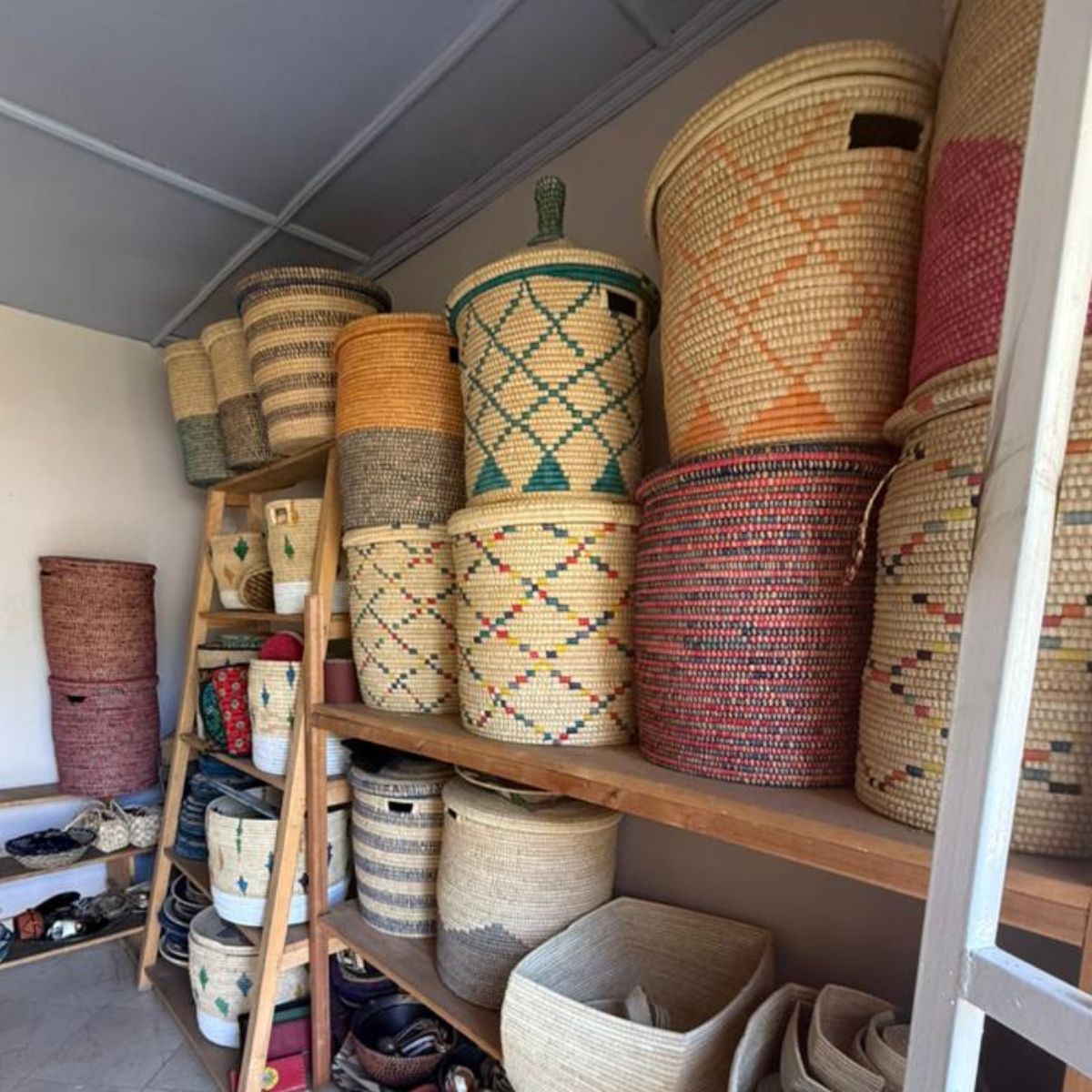
In East Africa, peatlands are increasingly under pressure. The Peat4People project has launched a Call for Innovation for Paludiculture in Uganda to support local entrepreneurs and community groups in developing innovative paludiculture-based value chains that link peatland conservation with income generation.
East Africa's peatlands face growing pressures: drainage for agriculture, infrastructure development, and conversion to other land uses are all driving degradation at scale. Communities living around Uganda's peatlands have long depended on their resources and ecosystem services. Papyrus (Cyperus papyrus), the dominant plant species in many East African peatlands, has traditionally been used for mats, baskets, thatching, and handicrafts. These uses represent a form of low-intensity paludiculture but they often generate limited income. The challenge and the opportunity is to build on these existing relationships with peatland landscapes, while shifting towards value chains that are both sustainable and more economically rewarding — thereby providing an economic incentive for sustainable peatland use and rewetting.
To support this transition, the Peat4People project concluded a Call for Innovation for Paludiculture in Uganda. The call invited entrepreneurs, social enterprises, research institutions, and community-based organizations to develop and scale marketable products derived from sustainably harvested peatland biomass, with a focus on papyrus. Applications were received from across Uganda, covering a diverse range of value chain innovations. Selected initiatives will now receive tailored support through Peat4People, including financial support to build up sustainable paludiculture value chains as well as guidance on sustainable harvesting, product and business development, financial modelling, and market linkages.
The supported value chains span a wide range of product categories: papyrus-based paper wipes, biodegradable sanitary pads, papyrus fibre integrated into earth-based construction materials such as bricks and panels, clean cooking briquettes produced by women-led community groups, and higher-value crafts including mats, baskets, and decorative items.
Beyond the selected participants, the project has also been investing in research into higher-value papyrus processing through collaboration with ZELFO Technology GmbH, a German company specializing in natural fibre engineering. Prototypes developed by ZELFO demonstrate that papyrus fibres can be processed into 100% papyrus fibre boards without any additional binders, and moulded packaging trays (70% papyrus, 30% cellulose). The process works through mechanical extrusion: dried and granulated papyrus is re-moistened and fed through a twin-screw extruder, activating the natural self-binding properties of the ligno-cellulosic fibres. The resulting material can be pressed into boards for construction, furniture, and packaging, or moulded into trays. The Peat4People project continues to seek local entrepreneurs interested in adapting these prototypes.
Peat4People aims to promote the sustainable use of peatlands for people, climate, and biodiversity in East Africa. Commissioned by Germany's Federal Ministry for Economic Cooperation and Development (BMZ), it is jointly implemented by GIZ, the Food and Agriculture Organization of the United Nations (FAO), and the Michael Succow Foundation, partner in the Greifswald Mire Centre. The project started in 2025 and runs until end of 2027. It works in collaboration with the Ministry of Water and Environment in Uganda and the Ministry of Environment in Rwanda.
Authors: Simone Heppe (GIZ), Dr. Samer Elshehawi (Succow Foundation)
Sernitz offers a glimpse into the future of rewetted peatlands
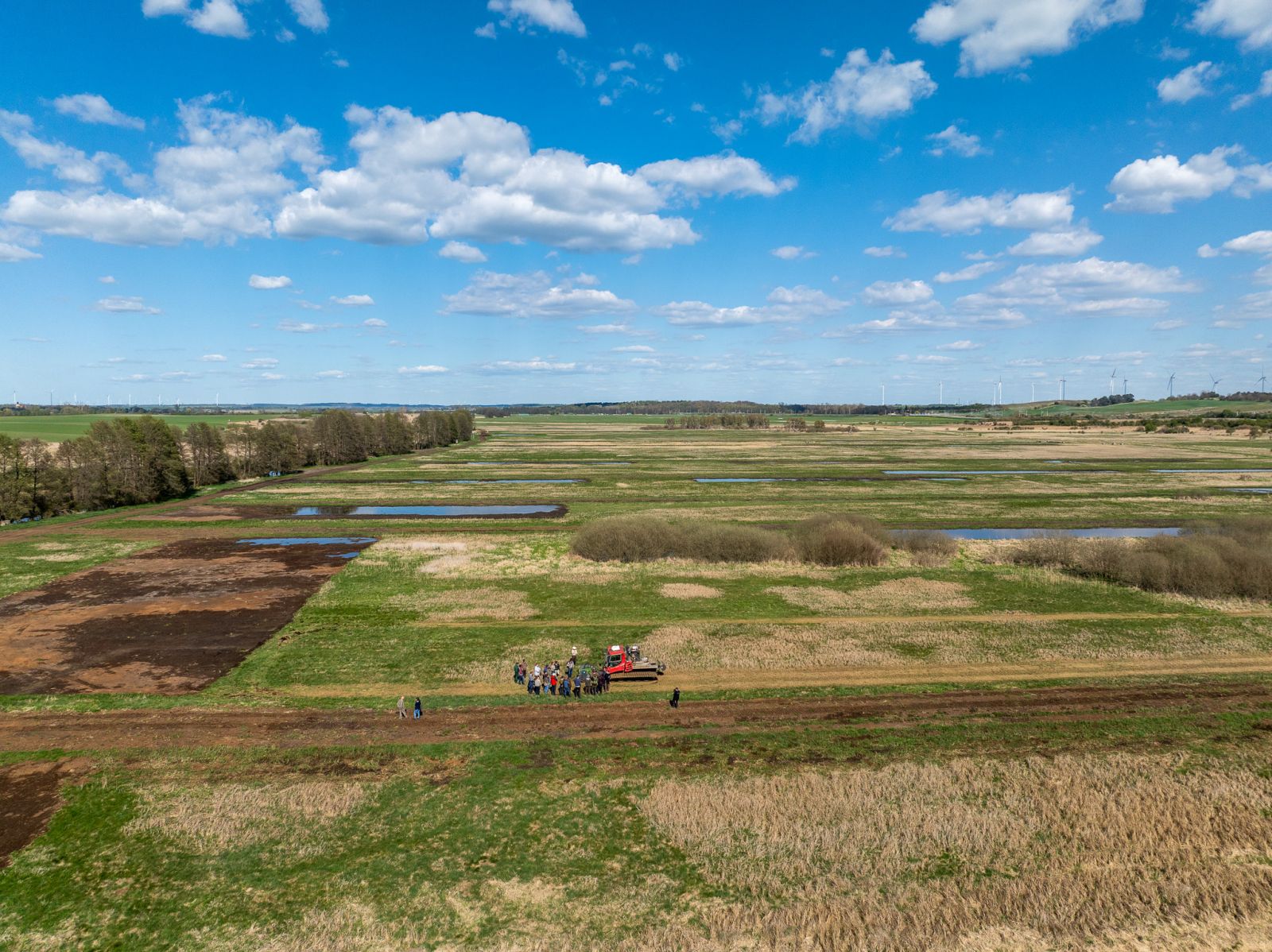
The rewetting of the “Torfwiesen” in the Sernitz peatland near Greiffenberg (Angermünde) is continuing to progress and is increasingly becoming a prime example of what the future of wet peatlands might look like with paludiculture and private investment.
One year after the official ground-breaking ceremon as part of the toMOORow initiative, companies from the Alliance of Pioneers, farmers and stakeholders from the fields of nature conservation and research came together to discuss the progress of rewetting and the prospects for paludiculture.
Here the landscape is visibly changing: despite difficult weather conditions, numerous measures have been implemented; for instance, large sections of the drainage ditches within the project area have been filled in and several thresholds made of steel installed to retain water in the landscape for longer and gradually restore water levels close to the surface in the peatland.
The approximately 360-hectare Sernitz Lowlands area within the Schorfheide-Chorin Biosphere Reserve encompasses some 80 hectares of peat meadows and provides a habitat for numerous endangered species such as the lesser spotted eagle, corncrake, lapwing and snipe.
Farmer Marc de la Barré demonstrated how farming on rewetted land can work, using specially adapted caterpillar-tracked machinery designed for wet sites. The demonstration made it clear that paludiculture is already a practical reality today. At the same time, discussions took place on the infrastructural and economic conditions required to ensure that wet peatland farming can become sustainable in the long term.
So what is currently taking shape in Sernitz is more than just a rewetting project: here, agriculture, business, nature conservation and research are jointly developing new approaches to managing peatlands. Companies in the Alliance of Pioneers aim to use regionally produced biomass for bioeconomy applications in future – thereby combining climate and biodiversity protection with economic use.
toMOORow is a joint initiative of the Michael Otto Environmental Foundation and the Michael Succow Foundation, partners in the Greifswald Mire Centre. Together with the University of Greifswald, the PaludiAllianz joint project was launched in 2024 to establish value chains for paludiculture and to advance the rewetting of peatlands. The exchange took place on 29 April as part of this project.
Events
All current events are compiled in our online calendar.
About
This newsletter was produced as part of the PaludiZentrale project and supported by the Greifswald Mire Centre. PaludiZentrale is carried out by the Thünen Institute, the University of Greifswald and the Succow Foundation, both partners in the Greifswald Mire Centre. It is funded by the Federal Ministry of Agriculture, Food and Regional Identity (BMLEH) through the Agency for Renewable Resources (FNR).
F.i.S.d.P.: Nina Körner, Franziska Tanneberger, Merten Minke.
