



News
2026
When We Talk About Drought, We Must Talk About Water
by Berit Krondorf (comments: 0)
New GMC information paper
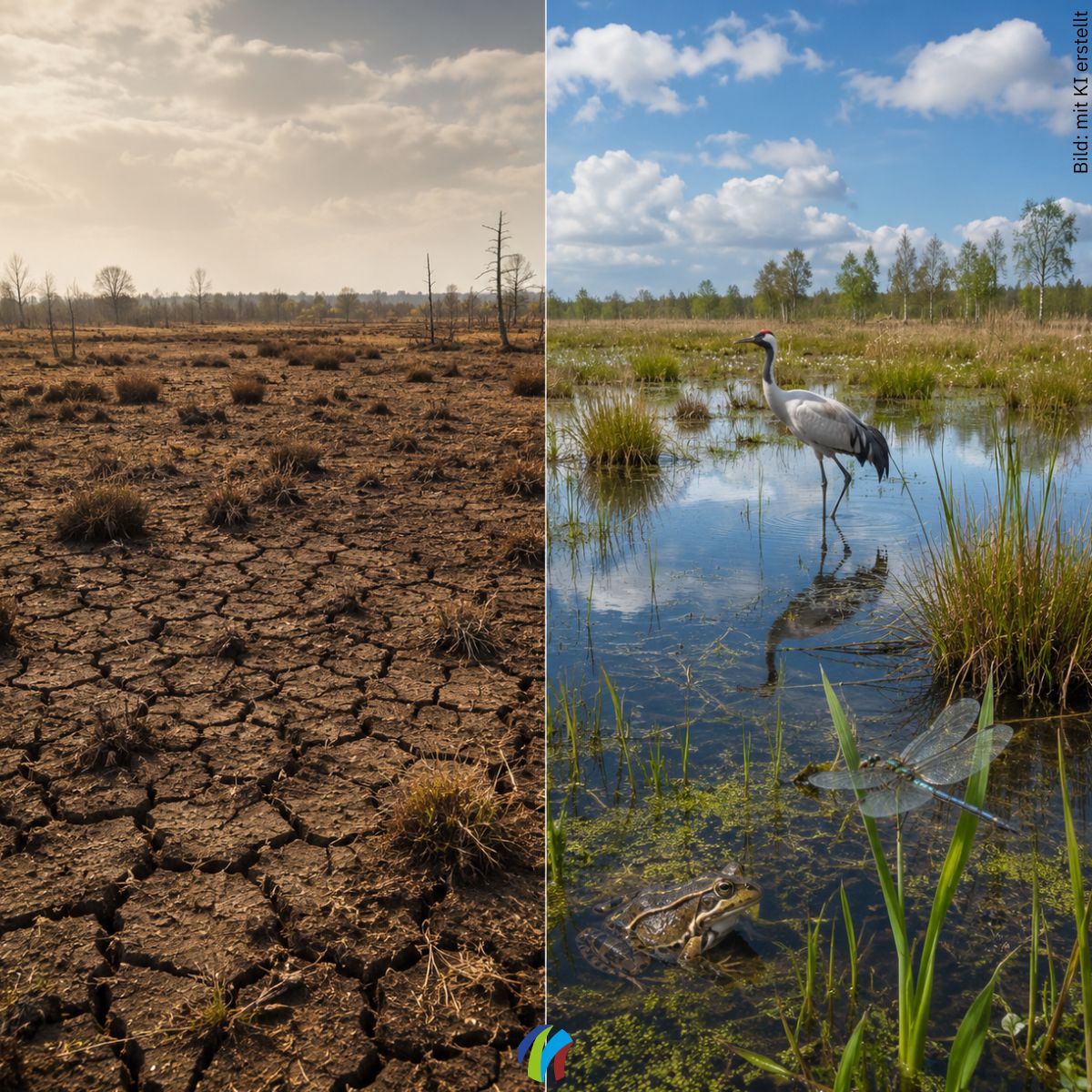
28/06/2026 Wet and rewetted peatlands play a key role in making landscapes more resilient to increasing periods of drought and extreme weather events. Although total precipitation levels remain similar to previous levels, they are distributed more unevenly. Extreme weather events such as heavy rainfall and long periods of drought are on the rise.
A recent information paper explains in detail how peatlands regulate the landscape’s water balance, which factors determine their water storage capacity, and what role rewetting plays in flood control and climate protection. It also outlines the conditions under which rewetting can be successfully implemented and the challenges involved.
Peatland restoration is essential for climate protection: To achieve the goal of net-zero emissions by 2045, approximately 80,000 hectares of peatlands would need to be restored annually. In particular, the removal of artificial drainage systems is crucial to this effort.
PV & peatland
by Berit Krondorf (comments: 0)
Why it makes sense (sometimes)
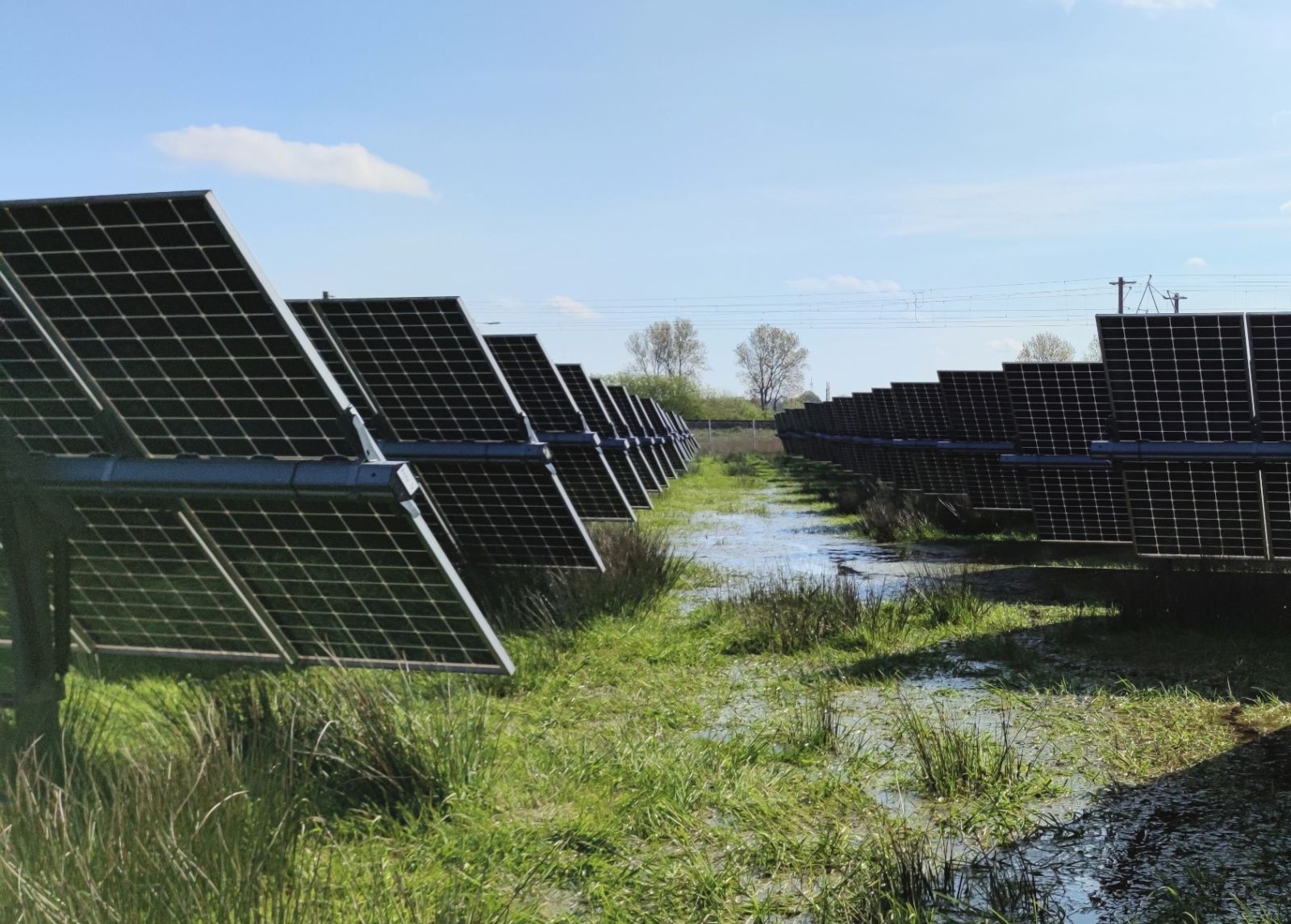
18/6/2026 Installing photovoltaic panels in rewetted peatlands does besides reducing CO2 emissions and generation renewable energy a third positive effect a new study published in Ecological Solutions and Evidence of the British Ecological Society shows: Biodiversity is benefitting, too.
Research conducted on a solar parc on rewetted peatland found the site offering home to several threatened bird species with an unusual mix of species associated with agricultural, wetland and even woodland ecosystems. The setup of the site was supported by new scheme by the German Government, paying landowners to install solar panels and rewet the site, providing an alternative source of income.
However, the authors clearly stress, that PV on peatlands is just one possible tool to support peatland rewetting. It’s not meant to be implemented on any peatland but needs case-by-case assessment.
More on PV-peatland research in this feature story of the British Ecological Society.
EDELNASS workshop
by Berit Krondorf (comments: 0)
Three years of research on wetland biomass.
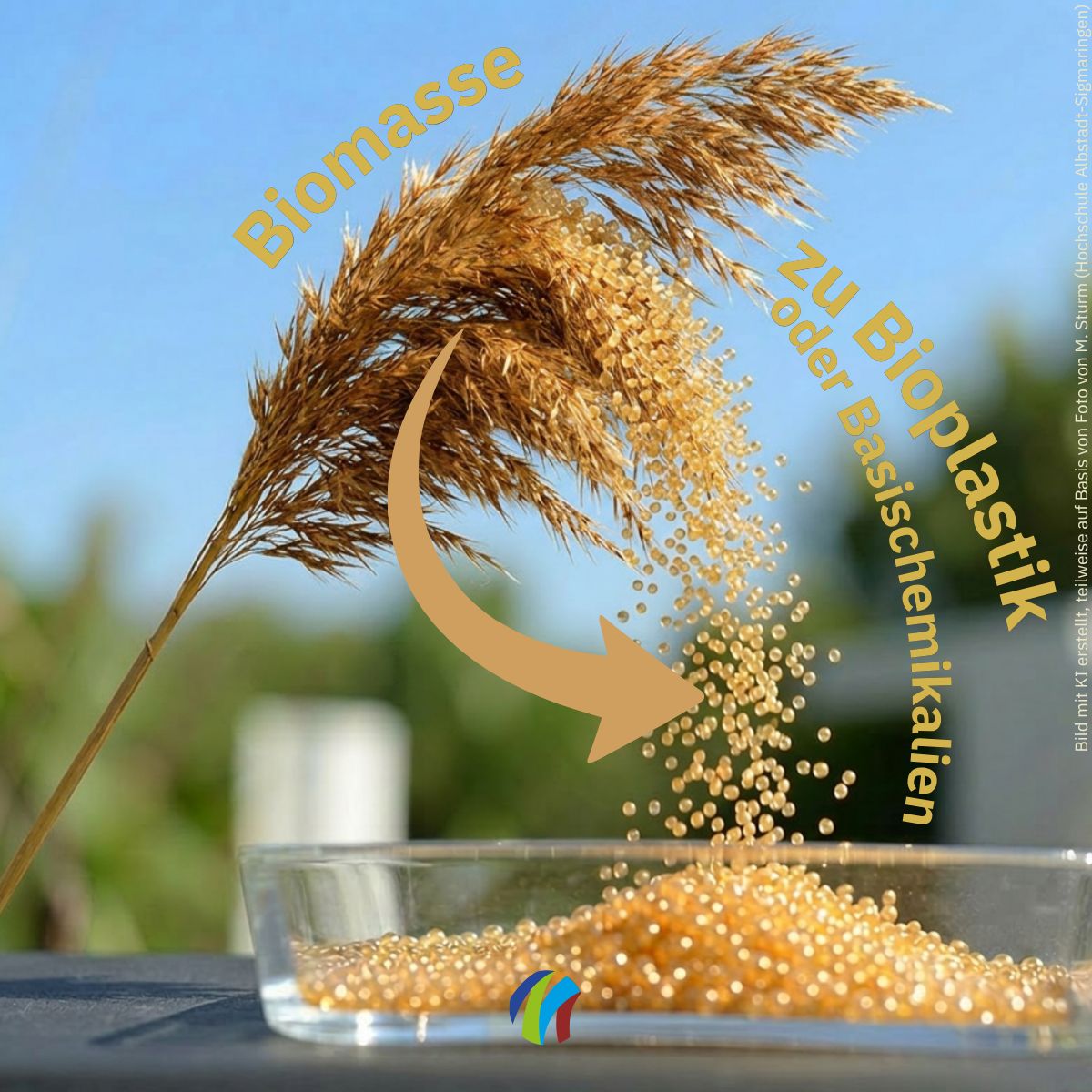
16/06/2026 What can be produced from wetland biomass — and how can sustainable value chains be created from it? The EDELNASS project presents its findings on these questions after three years of research. The closing workshop on June 23, 2026, at the Leibniz Institute for Agricultural Engineering and Bioeconomy will focus on the use of wetland biomass for paper, basic chemicals, and other bio-based products. Researchers will present their findings and discuss with industry stakeholders the opportunities and challenges for the future use of peatland and marsh biomass.
In addition to the project results, the focus will be on exchange and looking ahead: What next steps are needed to ensure that innovative products and value chains derived from wetland biomass make the leap into practical application? The event starts at 11 a.m. (reception at 10 a.m.) and ends at 4 p.m. Afterward, interested attendees can tour ATB laboratories and facilities. Participation is possible both in person and online.
Further information and registration: https://doodle.com/sign-up-sheet/participate/e4f89709-ceed-45bc-981b-79deb00dc6f6/select
RRR2025 - Aftermovie
by Berit Krondorf (comments: 0)
Watch now!
02/06/2026 Just in time for International Peatlands Day, the official aftermovie for the 2025 International RRR Conference was released. A film featuring 350 participants, 84 presentations, and a common theme — the sustainable use of peatlands, also known as paludiculture.
The aftermovie on the international conference „RRR2025 - Renewable Resources from Wet and Rewetted Peatlands“ conference features voices from countries in Europe, Africa, and the U.S. that highlight varying levels of development and potential:
Lorna Parker from the United Kingdom discusses the experimental nature of the initiative there so far and the nascent cultivation of cattails in the Great Fen.
Leonard Akwany from Kenya sees paludiculture there as still in its infancy, but also recognizes its great potential for water and climate protection, as well as the advantage of being able to build on European experience.
Prof. Christian Fritz from the Netherlands emphasizes the strength of paludiculture in combining effective climate protection with economic use, as well as benefits for the water balance and the microclimate. He considers knowledge transfer, economic incentives, and cooperation among various stakeholder groups to be crucial for further implementation.
Prof. Harald Grethe from Germany estimates that the transition to large-scale rewetting and paludiculture will take between 15 and 25 years. He considers linking rewetting efforts to renewable energy and fostering intensive exchange between science and practice to be central to this process.
Orion Blake, a farmer from the U.S., shares his experiences with wetland farming in the Walkill River Valley. In light of land subsidence and increasing flooding, he sees paludiculture as a sustainable solution, but faces significant resistance. Yet through his own farm, he has been demonstrating for several years how such approaches can be implemented locally and practically.
From a niche concept to almost a trend—GMC Director Franziska Tanneberger provides insight into how paludiculture has developed over the past ten years and how it can best be scaled up in the future. In her view, the RRR conferences since 2013 have contributed to this by connecting stakeholders worldwide and fostering exchange.
Current national funding decisions, such as the Palu Guidelines, are giving the topic of paludiculture an additional boost. The RRR organizers, the Greifswald Mire Centre and the Thünen Institute, are therefore confident that they will once again bring together stakeholders from academia, the field, and politics in 2028 to share knowledge, strengthen networks, and jointly develop concrete approaches for rewetting and the productive wet land use of peatlands .
No future for PV on peatlands?
by Berit Krondorf (comments: 0)
GMC warns against changes to the EEG
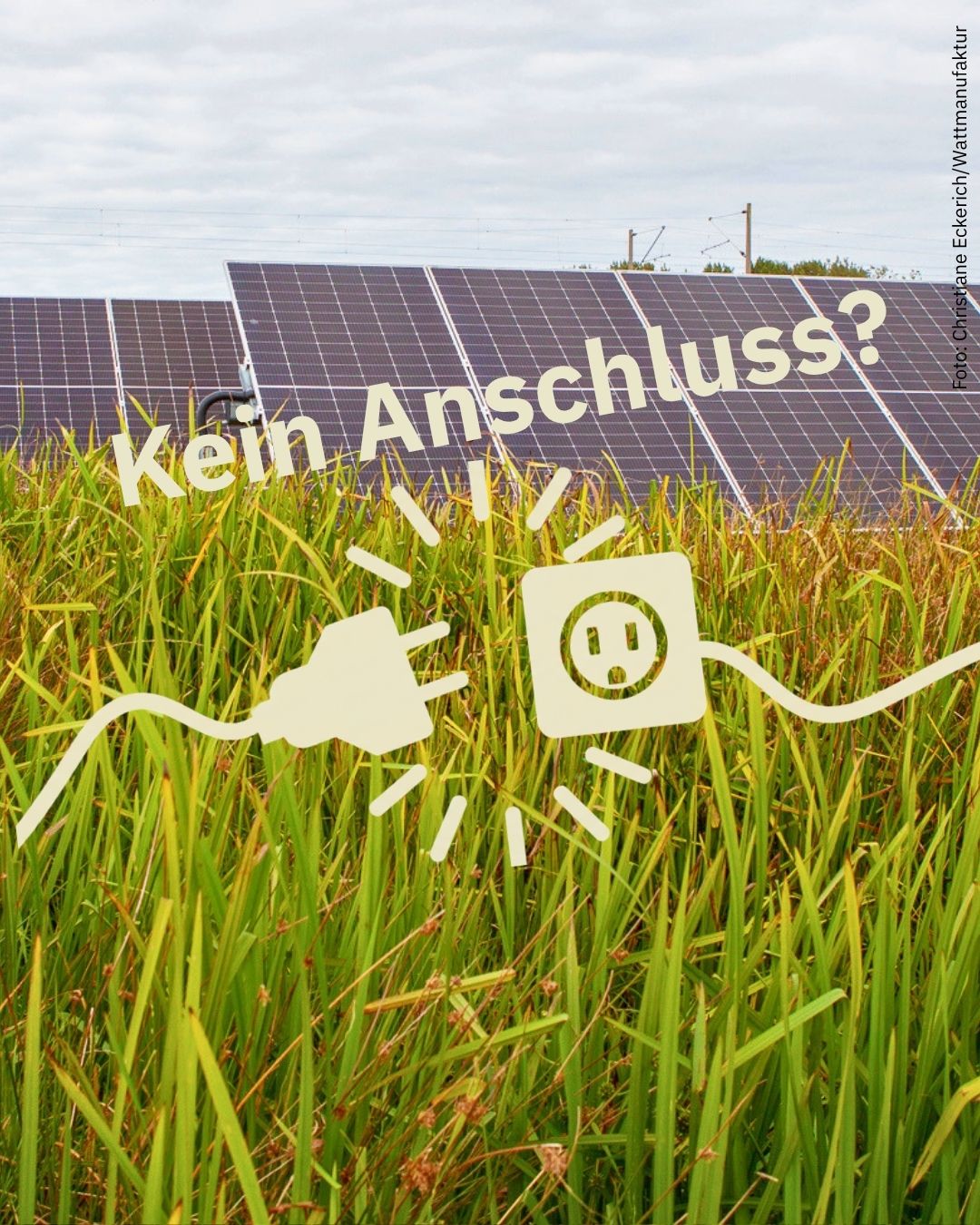
01/06/2026 Peatland based photovoltaic systems could lose their special status: the current draft bill for the EEG amendment proposes scrapping the preferential treatment afforded to PV on peatland installations. The Greifswald Moor Centrum believes this sends the wrong signal at the wrong time.
In a recent statement, the GMC points out that PV on peatlands creates an important incentive for the rewetting of peatlands. The combination of climate protection and renewable energy generation can help to reduce greenhouse gas emissions from drained peatlands whilst opening up new economic prospects for land use.
If this preferential treatment is removed, rewetting projects could lose momentum. At the same time, there is a risk that photovoltaic systems will continue to be built on drained peatland soils, generating further climate-damaging emissions, whilst opportunities for climate, species and peatland conservation remain untapped. The GMC therefore advocates retaining peatland PV as a technology particularly worthy of support under the EEG.
The full statement on the draft EEG is also available online.